When exploring the question, "Why do steel products have different finishes," it is essential to understand the complexities of steel manufacturing. Different finishes serve various functions, from aesthetics to protection. For instance, a polished finish might appeal to those seeking modern designs. However, a rough finish can enhance grip and functionality.
The choice of finish often depends on the final application of the steel product. A finish suited for an architectural feature will differ from one used in a mechanical component. Manufacturers consider factors like corrosion resistance and surface texture. This results in a wide array of finishes available on the market.
Yet, the variety of finishes can also create confusion for consumers. Some may struggle to distinguish between matte and gloss finishes or the benefits of coatings. Misunderstandings can lead to inappropriate choices for specific applications. Therefore, a deeper examination of steel finishes is vital. Understanding these differences ultimately empowers consumers, ensuring they make informed decisions.
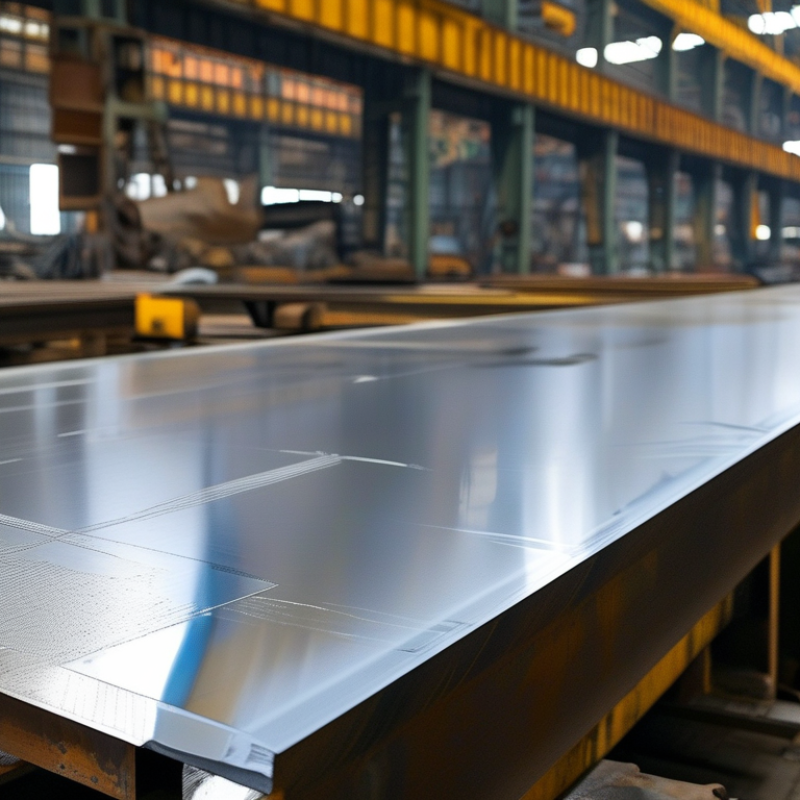
When it comes to steel products, the finish can significantly impact their corrosion resistance. Different finishes serve various purposes. Some treatments create a barrier against moisture, while others enhance the metal's natural properties. For example, galvanizing applies a zinc coating, which effectively prevents rust. This protective layer is especially vital in harsh environments.
Surface finishes also play a role in the product's longevity. A smooth finish often minimizes the accumulation of dirt and moisture, thus reducing the likelihood of corrosion. However, rough finishes can trap debris and promote rust. It's essential to choose the right finish based on the intended use of the steel product. Not every finish is ideal for every application.
Another consideration is the environmental factors that a steel product will face. For outdoor use, weather-resistant finishes like powder coating are often preferred. Indoor applications may require different treatments. Balancing aesthetics and functionality can be challenging. Decisions must reflect both practical needs and potential long-term issues. Awareness of these nuances is vital for anyone involved in selecting or using steel products.
Finishes play a crucial role in the aesthetic appeal of steel products. A well-chosen finish can enhance the visual and tactile experience of the end user. According to the Steel Recycling Institute, nearly 70% of steel is recycled in the U.S. This highlights the importance of not just functionality but also the need for making steel products visually appealing in sustainable designs.
Different finishes, such as powder coating or galvanization, impact not only the look but also the durability of steel. For example, a matte finish can provide a modern, understated elegance, while a shiny polish can convey a sense of high-end luxury. The Architectural Billings Index reported that 58% of builders prioritize aesthetic considerations alongside performance. Thus, a strategically chosen finish can significantly influence purchasing decisions.
However, selecting the right finish is not without its challenges. Different environments affect how finishes perform over time. External factors like humidity and UV exposure can lead to chalking or fading. Analyzing long-term performance is essential in design. Some manufacturers struggle to find finishes that offer both durability and beauty. Each option must be carefully weighed to ensure it meets both aesthetic and practical needs. Balancing these elements is critical for successful design in the steel industry.
Steel finishes play a crucial role in determining the surface durability and longevity of steel products. Different finishes serve distinct purposes, impacting how steel interacts with environmental factors. For instance, a galvanized finish protects steel from corrosion. This protection is vital in humid climates. It extends the lifespan of steel structures. Without appropriate finishes, steel can degrade quickly.
Certain finishes enhance aesthetic appeal but may compromise durability. A polished steel surface looks sleek and modern, yet it is more susceptible to scratches. This could lead to longer-term damage. Conversely, a textured finish may hide imperfections better. However, it can accumulate dirt and grime, leading to regular maintenance needs. There’s a fine line between looks and functionality.
Understanding these nuances is essential for choosing the right finish. The decision should be tailored to the environment and use. Not every finish is suitable for every application. Consideration of long-term effects can lead to better investments. Selecting finishes based only on initial appearance can be misleading. Thoughtful choice is required for lasting performance and satisfaction.
When considering the various finishes for steel products, cost plays a significant role in decision-making. Different finishes come with distinct price tags, largely based on the complexity of the process. A basic finish may cost less, but it may lack durability and aesthetic appeal. Investing in a premium finish can enhance longevity and visual allure, ultimately saving costs in repairs or replacements.
Budgeting involves assessing both immediate and long-term expenses. A more expensive finish can outperform cheaper options over time. For instance, a galvanized coating may require a higher upfront investment but offers enhanced corrosion resistance. That doesn't mean every project demands a top-tier finish. Assess the specific needs. Sometimes, practicality outweighs aesthetics.
It's also essential to reflect on the implications of your choices. Opting for the least expensive finish may lead to maintenance challenges later. Balancing budget constraints with desired outcomes requires careful consideration. A well-informed decision today could prevent unexpected costs in the future. Each finish communicates value, quality, and intent. Ensure your choice aligns with the project's goals.
Steel finishing processes play a crucial role in sustainability. Different finishes can affect the lifecycle of steel products. Eco-friendly methods are increasingly vital in reducing environmental impact. Traditional practices often involve harmful chemicals and energy-intensive processes. In contrast, modern finishes prioritize the use of less toxic materials. This shift benefits both the environment and human health.
Conserving energy through efficient practices is essential. Innovative techniques can substantially lower carbon emissions. However, the industry still struggles with waste and resource management. Many facilities lack the infrastructure for recycling and reusing materials. It’s a challenge that needs addressing to enhance sustainability. By committing to green practices, manufacturers can foster long-term environmental benefits.
Collaboration among industry professionals is necessary for progress. Sharing knowledge and advances in steel finishing can lead to better outcomes. Nonetheless, there’s room for improvement in operational transparency. Ensuring that sustainability claims are verified is vital for building trust. Environmental responsibility must remain a priority in the evolving steel industry.
| Finish Type | Description | Sustainability Impact | Common Uses |
|---|---|---|---|
| Powder Coating | A dry finishing process that uses electrostatically charged powder. | Low VOC emissions and recyclable materials enhance sustainability. | Outdoor furniture, metal railings. |
| Galvanizing | Coating steel with layers of zinc to prevent rusting. | Long-lasting protection reduces the need for replacements. | Pipework, outdoor building structures. |
| Anodizing | Electrochemical process that converts the metal surface into a decorative, durable finish. | Enhances corrosion resistance, extending lifecycle of products. | Architectural components, window frames. |
| Painting | Application of liquid paint to provide color and protection. | Water-based paints offer lower environmental impact. | Vehicles, machinery, household appliances. |
| Brushed Finish | Mechanical polishing to create a textured surface. | Minimal material waste, easy to maintain. | Kitchen utensils, interior design elements. |
: Finishes enhance the aesthetic appeal and tactile experience, influencing user perception and purchasing decisions.
Finishes like powder coating and galvanization affect both appearance and durability in various environments.
Environmental factors can cause finishes to fade or chalk, making long-term performance analysis critical for design.
Different finishes vary in price. Basic options may save money upfront but can incur costs due to lack of durability.
Choosing a low-cost finish can lead to maintenance issues later. It's essential to weigh immediate savings against potential future costs.
Sustainable finishing processes reduce environmental impact. Modern techniques favor less toxic materials and energy-saving methods.
They should focus on recycling, resource management, and adopting eco-friendly practices to lower carbon emissions.
Sharing knowledge and advances can lead to better outcomes in sustainability and operational practices.
Claims need verification to build trust, highlighting the importance of operational transparency and accountability.
Each finish reflects quality and intent, influencing perceptions of the product beyond mere functionality.
Steel products exhibit a variety of finishes, and understanding why do steel products have different finishes is essential for manufacturers and consumers alike. One primary reason is corrosion resistance, as different finishes can provide varying levels of protection against environmental factors that lead to rust and deterioration. Additionally, aesthetic appeal plays a significant role in product design; the choice of finish can enhance the visual appeal of steel items, making them more attractive for consumers.
Furthermore, the impact of finishes on surface durability and longevity is crucial, as certain coatings can prolong the lifespan of steel products. Cost considerations also come into play, with different finishing options varying widely in price, which can affect budgeting for projects. Lastly, environmental considerations, including sustainability in finishing processes, are increasingly important in today's market, as industries seek eco-friendly practices. Overall, these factors collectively explain the diversity in steel product finishes.

Campfire Steel