Recycling has a significant role in enhancing the quality of steel products. The global steel industry is witnessing an increasing focus on sustainability and resource efficiency. According to the World Steel Association, recycling steel reduces greenhouse gas emissions by 58% compared to primary steel production. This statistic is crucial as the industry aims to minimize its environmental footprint.
Why is recycling good for steel products? Recycling not only conserves raw materials but also improves product quality. For example, recycled steel often contains fewer impurities, resulting in stronger and more durable products. However, the quality of recycled steel can vary based on the source material and recycling practices. Engaging in better recycling methods can ensure consistent quality.
It is essential to recognize the challenges associated with recycling steel. Contamination and inadequate sorting can affect steel’s properties. Addressing these issues is crucial for maximizing the benefits of recycling. By focusing on better recycling technologies, the steel industry can continue to improve product quality while promoting a circular economy.
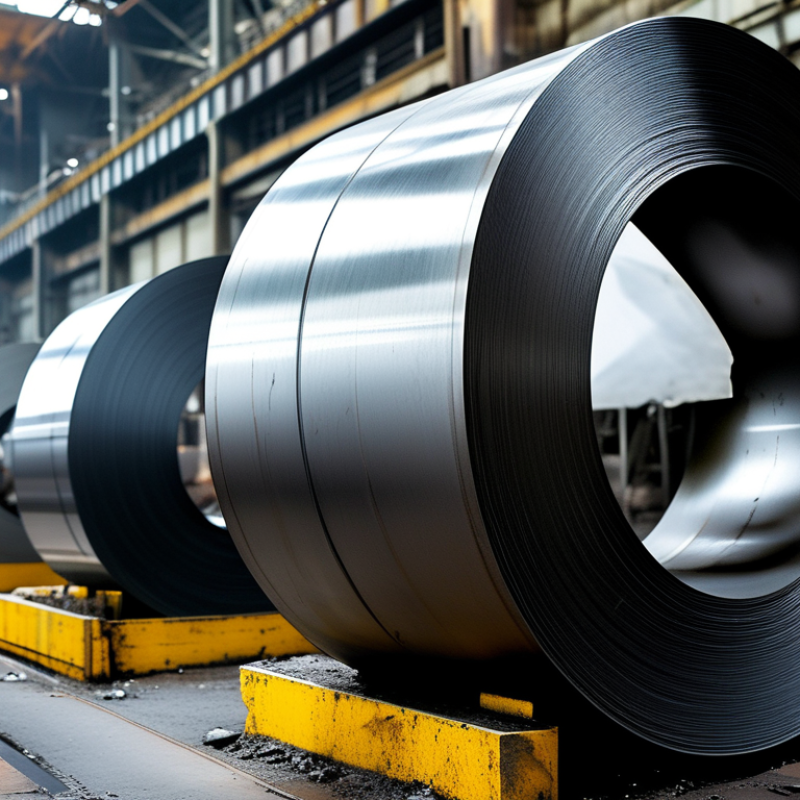
Recycling plays a crucial role in enhancing the purity and quality of steel products. According to the World Steel Association, recycled steel can maintain a comparable quality to virgin steel. In fact, studies show that using recycled steel results in an energy savings of up to 74%. This efficiency often leads to lower impurities in the final product, which is essential for steel performance in various applications.
The purity of recycled steel is influenced by the source material. For instance, if the scrap material is contaminated with non-metal debris, it can compromise the steel's quality. In certain cases, the presence of these contaminants can lead to defects in structural applications. Monitoring scrap quality is vital for manufacturers to avoid unexpected failures.
Consistency in quality is another benefit of recycling. Regular recycling processes offer a predictable outcome for steel composition. Research indicates that recycled steel exhibits a narrower range of properties compared to virgin steel. This can simplify manufacturing processes and enhance product reliability. However, challenges such as varying scrap material quality can introduce variability, requiring ongoing assessment and management.
Recycling steel offers significant advantages over using virgin steel. When recycled steel is produced, it uses less energy and emits fewer greenhouse gases. This process often leads to a high-quality product, as the properties of recycled steel can match or even exceed those of new steel. The cooling process during recycling also enhances the steel's structural integrity.
However, there are limitations. The quality of recycled steel can vary depending on its source. If contaminated materials are included, it can affect the final properties of the steel. Recycled steel must be monitored closely to ensure that it meets industry standards for strength and durability.
While the benefits of recycled steel are clear, challenges remain. The technology for recycling is still developing. Quality control in recycling facilities needs improvement to ensure a consistent output. There is always room for innovation. Researchers continue to explore ways to enhance the properties of recycled steel, aiming to overcome its potential pitfalls.
Recycling steel significantly enhances its performance and meets industry standards. Recycled steel contains fewer impurities compared to virgin materials. According to the American Iron and Steel Institute, up to 95% of the carbon steel produced in the U.S. is made from recycled materials. This process ensures that the final products meet stringent specifications for strength and durability.
Recycling also reduces energy consumption. Studies show that producing steel from scrap requires 75% less energy than from raw iron ore. This lower energy input contributes to the overall quality of the steel, making it less prone to defects. Moreover, the quality of recycled steel can sometimes exceed that of newly produced steel due to advancements in processing methods.
Challenges remain, though. Contamination during collection can weaken the steel’s integrity. Ensuring the purity of recycled steel is critical for maintaining industry performance standards. Continuous monitoring and innovative recycling methods are essential. This highlights the need for a collective effort to enhance recycling processes to boost steel product quality consistently.
Recycling steel significantly enhances manufacturing efficiency. According to the World Steel Association, recycled steel saves approximately 74% of energy compared to using raw materials. This reduction translates into lower production costs. For manufacturers, it provides an opportunity to improve their bottom line while being environmentally responsible.
The economic benefits extend beyond energy savings. Utilizing recycled steel lowers the demand for virgin materials, which can be both costly and environmentally damaging. A report from the Global Steel Innovations Forum emphasizes that using recycled content can reduce greenhouse gas emissions by up to 58%. This is a notable advantage for companies aiming to meet sustainability goals while navigating increasing regulatory pressures.
However, challenges exist. Not all steel products are created equal. The quality of recycled steel can vary based on contamination levels and recycling processes. Ensuring consistency requires investment in advanced sorting technologies. As the industry evolves, the push for better standards in recycling becomes essential for maintaining product quality. Addressing these aspects is crucial for the long-term viability of recycled steel in competitive markets.
Recycling steel plays a crucial role in enhancing product quality while supporting sustainability efforts. By reusing scrap steel, manufacturers reduce the need for raw materials. This process not only minimizes mining but also conserves energy. The energy saved in steel recycling can be substantial—up to 75%. This translates directly into a reduced carbon footprint.
Sustainability metrics provide a framework for understanding the impact of steel recycling. Every ton of recycled steel prevents the release of nearly 1.5 tons of carbon dioxide. As industries face stricter emissions regulations, recycling steels becomes a practical solution. It contributes to measurable improvements in environmental impact, making it a strategic choice.
However, not every recycling process is perfect. Contaminants in scrap can affect the quality of the recycled steel. The challenge lies in ensuring clean, high-quality materials are used for recycling. Monitoring and improving these processes will be vital for the future. There’s always room for refinement in the recycling methods to boost overall effectiveness.
This chart illustrates the impact of steel recycling on key quality metrics and carbon footprint reduction.
: Recycling enhances the purity and quality of steel products significantly.
Recycled steel can match or exceed the quality of virgin steel.
Using recycled steel can result in energy savings of up to 74%.
The source material and its contamination levels significantly affect the purity.
Contaminated materials can lead to defects in steel's structural applications.
Regular recycling processes help achieve a more consistent steel composition.
Variability in scrap quality can pose challenges, needing careful management.
Yes, recycled steel uses less energy and emits fewer greenhouse gases.
Quality control is crucial to ensure consistent output and meet industry standards.
Ongoing research aims to enhance the properties of recycled steel through innovation.
Recycling plays a crucial role in enhancing the quality of steel products, leading to greater purity and consistency in the final output. When addressing "Why is recycling good for steel products," it becomes evident that recycled steel not only meets but often exceeds the quality standards of virgin steel. This is due to rigorous industry standards that ensure recycled materials are processed to maintain high performance. Furthermore, the economic advantages of incorporating recycled steel into manufacturing processes highlight its viability; it reduces costs while ensuring high-quality production.
In addition to quality and economic factors, steel recycling significantly contributes to sustainability by lowering the carbon footprint associated with steel manufacturing. This holistic approach to recycling not only enhances the performance of steel products but also aligns with environmental goals, making it a critical aspect of modern steel production practices.
Campfire Steel