The quality of steel products is influenced by various factors. Understanding these factors is essential for manufacturers and consumers alike. According to a report by the World Steel Association, steel quality is directly tied to chemical composition, production processes, and environmental influences.
What affects the quality of steel products? The composition of alloys plays a crucial role. Too much carbon can result in brittleness. Additionally, impurities from recycling processes may affect performance and durability. Production methods, such as the type of furnace used, can also impact the final product's characteristics. Advanced manufacturing techniques often yield better quality outcomes.
Furthermore, industry benchmarks indicate that up to 30% of steel defects arise from inadequate quality control measures. Regular testing and assessments are necessary to ensure compliance with standards. Overall, maintaining quality requires continuous evaluation and adaptation to new technologies and methods in steel production.
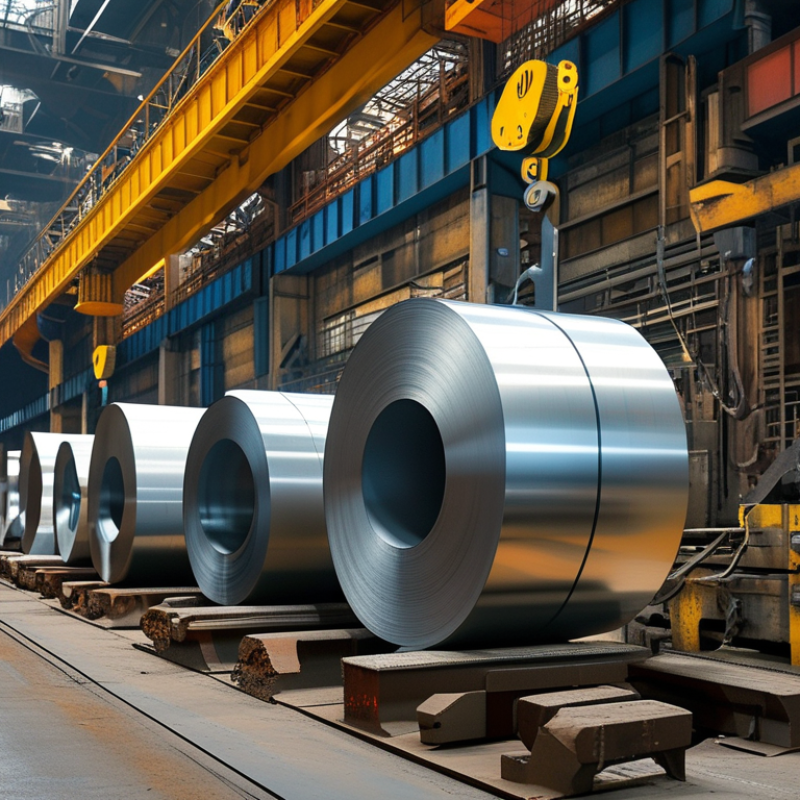
Material Composition and Its Impact on Steel Quality
The material composition of steel plays a crucial role in determining its quality. Specific elements like carbon, manganese, and chromium significantly influence various properties, including tensile strength and ductility. According to a report from the World Steel Association, carbon content typically ranges from 0.05% to 2.0% in steel alloys. A higher carbon percentage often leads to increased hardness but can reduce ductility. This trade-off must be carefully managed during production.
Different alloying elements also affect steel's performance. Manganese improves hardenability and strength. In contrast, chromium contributes to corrosion resistance, which is critical for marine and infrastructural applications. A study by the American Iron and Steel Institute shows that steel with 5% chromium exhibits almost double the corrosion resistance compared to standard variants.
Despite advancements, achieving the ideal composition remains challenging. Variability in raw materials can lead to inconsistencies. For example, natural impurities in iron ore can compromise overall quality. Moreover, monitoring technological changes is necessary, as new alloys may offer enhanced properties. The ongoing struggle to optimize material composition underscores the complexities of steel production.
Manufacturing Processes and Their Role in Steel Strength
The manufacturing processes of steel play a critical role in determining its strength and overall quality. Each step, from melting and refining to forming and heat treatment, significantly influences the final properties of the steel product. For example, improper temperature control during the forging process can lead to uneven grain structures. This has a direct effect on the material's tensile strength and ductility.
Heat treatment is another crucial process. It involves heating and cooling the steel to alter its microstructure. An incorrect cooling rate can lead to brittleness, making the steel prone to fractures under stress. Achieving the right balance during these processes is essential, but it is not always easy. Many manufacturers struggle with achieving consistency in their products, which can lead to variations in quality.
Quality control plays a vital role in the manufacturing of steel products. Regular testing for mechanical properties such as yield strength and impact toughness is important. Yet, there can be oversights in monitoring, causing defective batches to pass inspection. This underlines the need for continuous improvement and rigorous quality assessment throughout the manufacturing process to maintain high standards in steel production.
Top 10 Factors Affecting Steel Product Quality
| Factor |
Description |
Impact on Quality |
| Raw Material Quality |
The purity and composition of iron ore and alloying elements. |
Critical - Affects mechanical properties and corrosion resistance. |
| Manufacturing Process |
Methods such as casting, rolling, and forging. |
Vital - Determines structural integrity and surface finish. |
| Heat Treatment |
Process of heating and cooling to alter material properties. |
Important - Enhances strength and ductility. |
| Chemical Composition |
Percentage of carbon, manganese, silicon, etc. |
Significant - Influences hardness and weldability. |
| Cooling Rate |
Speed at which steel cools during solidification. |
Crucial - Affects microstructure and mechanical properties. |
| Welding Technique |
Methods used for joining steel components. |
Critical - Impacts joint strength and integrity. |
| Surface Treatment |
Processes such as coating, painting, and polishing. |
Important - Enhances corrosion resistance and aesthetics. |
| Environmental Conditions |
Temperature and humidity during production. |
Impactful - Can lead to defects or inconsistencies. |
| Quality Control Practices |
Inspection and testing protocols in place. |
Essential - Ensures compliance with specifications and standards. |
| Worker Skills and Training |
Expertise and experience of the workforce involved in manufacturing. |
Significant - Influences consistency and quality of output. |
Heat Treatment Techniques and Influence on Steel Durability
Heat treatment techniques play a crucial role in determining the durability of steel products. These methods include processes like annealing, quenching, and tempering. Each technique significantly alters the microstructure of the steel, which in turn affects its strength and toughness. For example, quenching rapidly cools steel, locking in hardness but potentially inducing brittleness. On the contrary, annealing softens steel, allowing for improved workability and stress relief.
The effectiveness of these treatments depends on various factors. The initial condition of the steel, such as its alloy composition, influences how it responds to heat treatment. An inappropriate treatment could lead to defects, such as warping or cracking. As a manufacturer, understanding the nuances of these processes is essential. Achieving optimal results requires a fine balance between temperature, timing, and cooling rates.
Furthermore, reviewing past heat treatment applications can reveal both successes and failures. Some manufacturers might overlook the importance of precise temperature control, leading to inconsistent product quality. Learning from these scenarios is vital. Continuous refinement of heat treatment techniques ensures that steel products not only meet but exceed durability expectations.
Environmental Factors Affecting Steel Production Standards
Environmental factors significantly influence steel production standards. Temperature variations impact the properties of steel. For instance, cooler temperatures might hinder the forging process, leading to unexpected flaws. Humidity can also play a role. High levels of moisture may cause rust and corrosion in raw materials.
Air quality affects the production environment. Pollutants can interact with steel, compromising its durability. Factories must monitor emissions. Implementing cleaner technologies can mitigate these effects. However, transitioning to eco-friendly processes often presents challenges.
Water quality is another concern. Steel plants need clean water for cooling and processing. Contaminated water can introduce impurities, affecting the final product. Furthermore, adhering to environmental regulations is crucial. Non-compliance can lead to fines and reputational damage. Finding a balance between quality and environmental sustainability is an ongoing challenge for many producers.
Quality Control Measures in Steel Manufacturing Processes
Quality control is crucial in steel manufacturing. It directly influences product performance and customer satisfaction. A study by the World Steel Association highlights that about 80% of quality issues in steel production stem from inadequate control measures. Steel producers must adopt stringent testing protocols throughout the manufacturing process.
One effective measure is implementing real-time monitoring systems. These systems use advanced sensors to detect anomalies during steel production. For instance, thermal imaging can help identify temperature inconsistencies, which may compromise the steel's integrity. According to industry reports, companies that utilize these technologies report quality improvements of over 30%. Regular quality audits and worker training programs further enhance compliance and performance.
Despite these advancements, challenges remain. Variability in raw materials can lead to unpredictable quality. For example, differences in iron ore composition can cause inconsistencies. Regular supplier evaluations and tighter procurement processes can mitigate these risks. It is essential to acknowledge that while implementing quality controls is critical, the processes themselves require continuous improvement and adaptation to new challenges.
Conclusion
The quality of steel products is influenced by several key factors. First and foremost, the material composition plays a crucial role; varying alloying elements can significantly alter the steel's properties. Additionally, the manufacturing processes, including techniques such as welding and forming, directly impact the strength and reliability of the final product. Heat treatment techniques also contribute substantially, as proper treatment can enhance durability and resistance to wear.
Environmental factors, such as temperature and humidity during production, can affect the adherence to steel production standards. Lastly, stringent quality control measures throughout the manufacturing process are essential to ensure consistency and minimize defects. In summary, understanding what affects the quality of steel products is vital for manufacturers aiming to deliver high-performance materials that meet industry demands.

 Campfire Steel