Steel products play a crucial role in various industries, from construction to manufacturing. However, their durability can be compromised without proper care. This raises an important question: why do steel products need surface treatment? Surface treatment enhances the lifespan and performance of steel. It protects against corrosion, wear, and environmental damage.
In industries where reliability is key, surface treatment becomes even more essential. For instance, untreated steel can corrode in just a few months, leading to costly repairs. The treatment process not only improves appearance but also adds strength. In some cases, the choice of treatment may depend on the specific environment. Unforeseen challenges can arise without adequate treatment.
Understanding the need for surface treatment is vital for any business using steel products. Investing in proper surface treatment can save time and money. It ensures safety and efficiency in day-to-day operations. Ultimately, organizations must weigh the pros and cons of treatment options. They need to consider both immediate and long-term impacts on their assets.
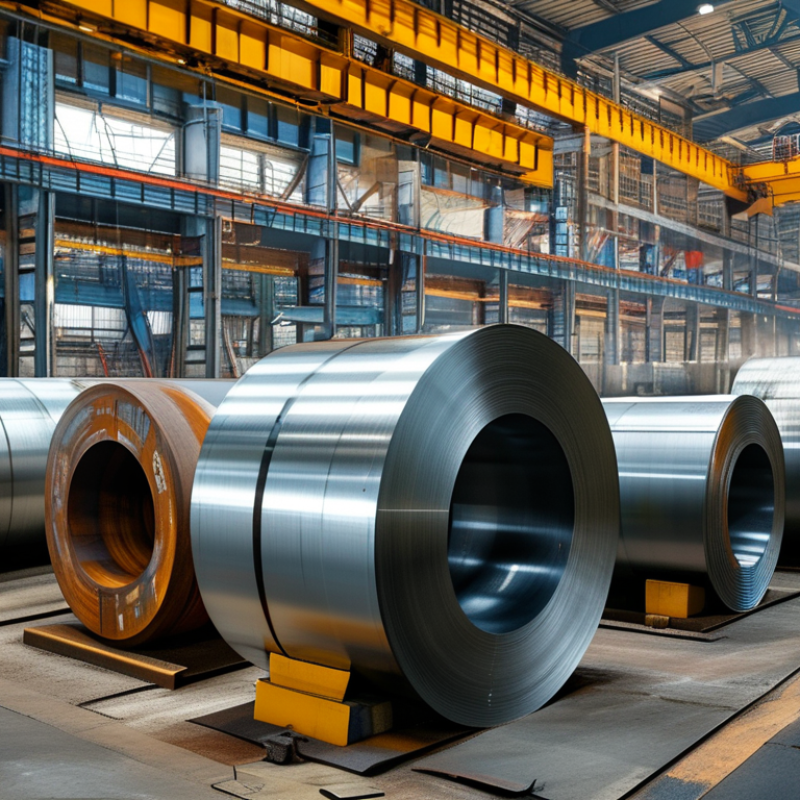
Importance of Surface Treatment for Steel Products
Surface treatment plays a pivotal role in enhancing the longevity and performance of steel products. According to industry reports, nearly 70% of steel corrosion is attributed to inadequate surface treatment. Corrosion can lead to significant economic losses, estimated at over $300 billion annually in the United States alone. By applying appropriate treatments, the lifespan of steel components can be extended, reducing long-term costs.
Moreover, surface treatments improve the aesthetic appeal of steel products. Industries heavily reliant on steel, such as automotive and construction, find that treated surfaces drastically enhance product durability and resistance. Studies have shown that treated steel surfaces exhibit up to 90% better wear resistance compared to untreated ones. This effectiveness underscores the need for investing in quality surface treatments for optimal performance.
Despite the clear benefits, challenges remain. Some manufacturers may neglect surface treatment due to perceived costs. This short-sighted approach can result in higher maintenance and replacement expenses later. Data indicates that products without surface treatment are 50% more likely to fail in harsh environments. Evaluating the balance between initial investment and long-term gain is essential for any steel-related business.
Enhancing Corrosion Resistance Through Surface Treatments
Steel products are widely used in various industries, yet they face a relentless battle against corrosion. According to a report by the National Association of Corrosion Engineers, corrosion costs the U.S. economy over $300 billion annually. Surface treatments are essential in enhancing corrosion resistance, thereby extending the lifespan of these products.
Techniques like galvanization, powder coating, and anodizing significantly improve steel’s durability. For instance, galvanization can increase a steel product's resistance to rust by up to 70%. These treatments create a protective layer that minimizes the impact of environmental factors, such as moisture and salt. Investing in surface treatments can save industries substantial amounts by reducing maintenance costs and prolonging equipment life.
Tips: Always assess the environmental conditions your steel products will face. Tailor surface treatments to specific applications. Regular inspections can help identify areas needing reinforcement. Addressing corrosion early can prevent extensive damage down the line.
Implementing effective surface treatments is not just beneficial; it is essential. Many coatings are not foolproof. They can wear off or fail under extreme conditions. Continuous research in surface technology will help develop more resilient solutions in the future. Manufacturers must remain vigilant in choosing the right treatments and actively monitor their effectiveness.
Improving Aesthetic Appeal of Steel Products via Surface Finishing
Surface finishing is a crucial step in enhancing the aesthetic appeal of steel products. When steel is treated, it not only looks better but also catches the eye. A well-finished surface can reflect light beautifully, creating an attractive sheen. This visual enhancement is essential in applications where appearance matters, such as architecture and design.
Tips: Choosing the right surface treatment can make a significant impact. Options like powder coating, plating, or polishing each offer unique visual effects. Make sure to consider the product's end use when deciding on a finish.
Beyond looks, surface treatment helps reduce imperfections. Steel may have scratches or blemishes that compromise its charm. A smooth finish can hide these flaws, making the product more appealing. However, achieving a flawless surface is not easy. It requires expertise and careful handling. Even minor errors can undermine the overall beauty of the steel.
Tips: Regular maintenance of finished surfaces is vital. Dust, grime, and environmental factors can degrade appearance over time. Simple cleaning routines can preserve the finish for years. Understanding the material and its treatments is key to ensuring longevity.
Top 10 Reasons Steel Products Need Surface Treatment
| Reason |
Description |
| 1. Aesthetic Appeal |
Surface treatment enhances the visual appearance of steel products, making them more attractive. |
| 2. Corrosion Resistance |
Protects steel from rust and corrosion, extending the lifespan of the product. |
| 3. Improved Durability |
Surface treatments increase the toughness of the steel, making it more durable under stress. |
| 4. Enhanced Cleanliness |
Smooth surfaces are easier to clean and maintain, improving hygiene in certain applications. |
| 5. Better Paint Adhesion |
Surface treatments allow for better adhesion of paints and coatings, leading to a more durable finish. |
| 6. Resistance to Wear |
Treatments like hardening make steel products more resistant to wear and tear. |
| 7. Customization Options |
Surface treatments can be customized to achieve desired finishes or textures. |
| 8. UV Protection |
Certain treatments provide protection against UV radiation, preventing discoloration and degradation. |
| 9. Cost Effectiveness |
Investing in surface treatment can lead to lower maintenance costs over time. |
| 10. Environmental Resistance |
Protects against various environmental factors, enhancing the longevity of steel products. |
Increasing Durability and Lifespan of Steel Through Coating
Steel products play a crucial role in various industries. However, their natural susceptibility to corrosion and wear can significantly reduce their lifespan. Coating steel surfaces with appropriate materials can enhance their durability. This process prevents rust, scratches, and other damages that steel faces in harsh environments.
Surface treatments like galvanization or powder coating can improve steel's resistance to environmental factors. These methods create a barrier against moisture and chemicals. A properly treated steel surface can last years longer than untreated metal. Industries often notice lower maintenance costs due to these treatments. They also contribute to preserving the aesthetic appeal of steel structures over time.
Despite the benefits, not all coatings are equally effective. Sometimes, improper application can lead to peeling or inconsistent coverage. This might result in early corrosion. Regular evaluation of coated surfaces is essential. Understanding the specific needs of each application helps in choosing the right treatment. Investing time in research can lead to better outcomes and longer-lasting steel products.
Top 10 Reasons Steel Products Need Surface Treatment
Cost-Effectiveness of Surface Treatments in Steel Manufacturing
Surface treatment plays a critical role in steel manufacturing. It enhances durability and resistance to corrosion. Investing in these treatments often yields significant long-term savings. Steel products can face harsh environments, leading to wear and tear. A well-treated surface can extend the life of these products, reducing the need for replacements.
Cost-effectiveness is evident when examining maintenance costs. Regularly treated surfaces require less frequent maintenance. This reduces downtime and labor costs over time. Many manufacturers find that initial expenditures are offset by decreased operational costs.
However, choosing the correct treatment is essential. Not all treatments offer the same benefits. Some might elevate initial costs without providing significant returns. The balance between quality and cost is sometimes challenging to achieve. Companies should analyze their specific needs before investing.
It is crucial to understand that not all applications will benefit equally. Engaging with experienced professionals can help make informed choices. While surface treatments are generally beneficial, careful evaluation can ensure optimal results and value.
FAQS
: Surface treatment enhances the longevity and performance of steel products, reducing corrosion and wear.
Proper treatments can prevent significant economic losses by extending product lifespan, saving costs in the long run.
Nearly 70% of steel corrosion arises from insufficient surface treatment.
Treated surfaces enhance appearance and improve product durability, especially in industries like automotive and construction.
Treated steel surfaces can exhibit up to 90% better wear resistance compared to untreated ones.
Some perceive the initial costs as too high, leading to neglect of surface treatments.
Regular treatments lower maintenance needs, reducing downtime and long-term labor costs.
No, not all treatments offer the same benefits. Some may raise costs without added value.
Companies need to analyze their specific needs, balancing quality and cost for optimal outcomes.
Yes, un-treated products are 50% more likely to fail in harsh conditions, necessitating careful evaluation.
Conclusion
Surface treatment is crucial for steel products for various reasons. One primary reason is to enhance corrosion resistance, as untreated steel is prone to rust and deterioration when exposed to environmental factors. Through various surface treatments, steel can better withstand harsh conditions, thus extending its lifespan. Additionally, surface finishing not only improves the aesthetic appeal of steel products but also adds a layer of protection, making them more appealing for consumer products and architectural applications.
Moreover, surface treatments can significantly increase the durability of steel, ensuring it meets the demands of various industries. This translates into cost-effectiveness for manufacturers, as investing in surface treatments reduces the need for frequent repairs and replacements. In summary, understanding "Why do steel products need surface treatment" is essential for businesses looking to improve both functionality and appearance while ensuring long-term performance and economic viability.

 Campfire Steel