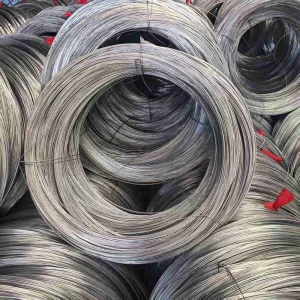
Explore our verified selection of ASTM & AISI certified steel products, including wire rods, structurally welded components, beams, and cold/hot rolled bars.
As the cornerstone of modern industrial applications, 304 Stainless Steel (UNS S30400 / EN 1.4301) accounts for more than half of the world's overall stainless steel consumption. Defined by its unique alloy composition—comprising roughly 18% chromium and 8% nickel—304 steel delivers an optimized ratio of tensile strength, high ductility, excellent forming properties, and outstanding resistance to corrosion. Global industrial developers, infrastructure engineers, and logistics managers rely heavily on 304 stainless steel to construct systems that resist oxidation while processing high-pressure liquids or demanding atmospheric elements.
For decades, HEIBEI CAMPFIRE STEEL CO., LTD. has stood at the center of this industry, integrating advanced metallurgy, precise mechanical processing, and reliable raw material control to provide global buyers with unparalleled access to premium 304 grade materials. Our structural solutions and customization capabilities bridge the gap between engineering specifications and robust physical delivery.
China is home to the most complete and efficient steel manufacturing ecosystem in the world. As global markets fluctuate, China-based OEM/ODM manufacturers offer crucial structural advantages to international purchasing agencies, enabling reliable project schedules and significant cost-efficiencies. This advantage lies in four core areas:
By placing production units near raw material deposits, deep-water ports, and advanced high-speed transport networks, Chinese factories can significantly compress raw material procurement and export times. HEIBEI CAMPFIRE STEEL CO., LTD. utilizes this geographical and industrial network to coordinate everything from smelting and rolling to final precision machining, cutting down turnaround delays on bulk and custom-designed orders.
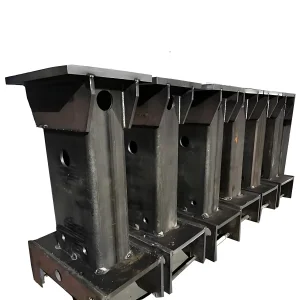
Modern Chinese mills feature cutting-edge computer-guided rolling mills, robotic precision welding assemblies, and automated dimensional QA scanners. This allows OEM/ODM projects to transition seamlessly from architectural blueprints to fully formed steel parts. By maintaining tight tolerances and ensuring clean, repeatable fabrication (using advanced processes like MIG, TIG, and laser welding), our factories supply precise components that assemble flawlessly on site.
Unlike standard commodity suppliers, HEIBEI CAMPFIRE STEEL CO., LTD. provides a written quality guarantee: we promise to accept material returns if the delivered steel does not meet the specified ASTM/AISI standards. With over 20 years of export history across 150+ countries, this policy reinforces our focus on reliability, metallurgical safety, and professional accountability.
To assist engineering and procurement professionals in choosing the correct grade for specific environments, the table below provides a detailed metallurgical breakdown of key stainless and alloy steels.
| Alloy Grade | UNS Designator | Chromium (Cr) % | Nickel (Ni) % | Carbon (C) % | Special Elements | Key Applications |
|---|---|---|---|---|---|---|
| AISI 304 | UNS S30400 | 18.0 - 20.0 | 8.0 - 10.5 | ≤ 0.08 | - | Food processing, architectural trim, consumer appliances |
| AISI 304L | UNS S30403 | 18.0 - 20.0 | 8.0 - 12.0 | ≤ 0.03 | Low Carbon | Heavy-gauge welded structures, chemical tanks, piping |
| AISI 316L | UNS S31603 | 16.0 - 18.0 | 10.0 - 14.0 | ≤ 0.03 | Mo 2.0 - 3.0 | Marine fittings, pharmaceutical equipment, acidic environments |
| AISI 310S | UNS S31008 | 24.0 - 26.0 | 19.0 - 22.0 | ≤ 0.08 | High Cr & Ni | Furnace parts, heat exchangers, high-temp kilns |
During conventional arc welding, exposure to temperatures between 425°C and 870°C can trigger sensitization—where chromium carbides precipitate along the grain boundaries, leaving the surrounding areas susceptible to intergranular corrosion. To prevent this, 304L is engineered with a maximum carbon limit of 0.03%. This prevents carbide precipitation during welding and ensures that structures retain their corrosion-resistant properties without post-weld annealing.
An elite OEM/ODM facility is defined by its ability to execute advanced structural adjustments. We support multiple fabrication processes to shape raw 304 stainless steel into ready-to-use industrial components:
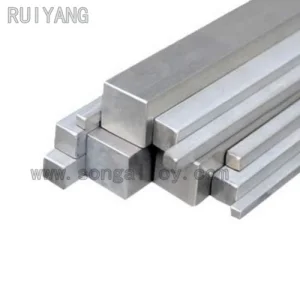
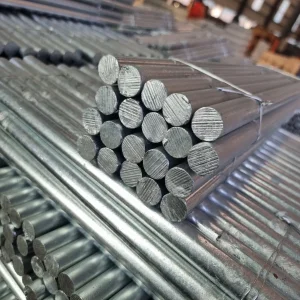
Through sequence-controlled drawing, we produce bright, high-tolerance square and round bars with excellent tensile properties and superior surface finishes.
Utilizing MIG, TIG, resistance, and advanced laser welding systems to assemble stable structures that retain strength under high load stresses.
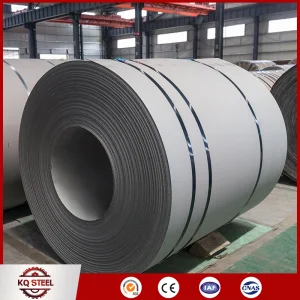
Available in multiple styles, including Hot Rolled No.1, Cold Rolled 2B, BA (Bright Annealed), Hairline, and high-reflectivity mirror finishes for cleanrooms and decorative architecture.
Our 304 stainless steel solutions serve critical functions across diverse global industries, proving their versatility in demanding environments:
International steel procurement involves balancing price, delivery speed, and compliance. To manage these factors effectively, buyers should focus on three primary verification stages:
Our manufacturing capabilities cover a wide range of carbon and alloy steel products, ensuring reliable structural performance across diverse projects.
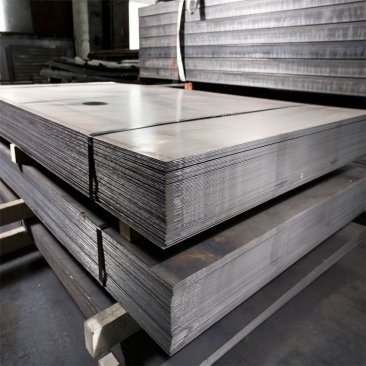
A36 complies with American ASTM standards, offering excellent welding performance, high structural ductility, and dependable load capacities for mechanical applications.
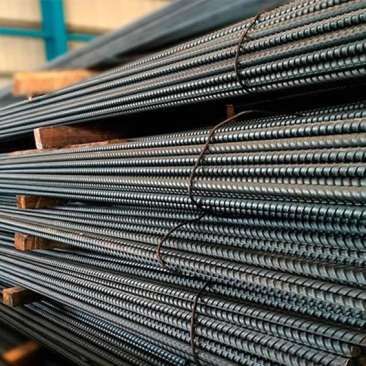
Ribbed and plain reinforcement bars engineered to distribute stress and tension in structural concrete slabs, columns, and civil engineering frameworks.
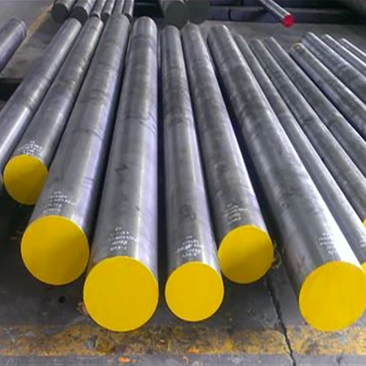
A chromium-molybdenum alloy steel providing high strength, excellent toughness, and strong wear resistance under tough operating conditions.
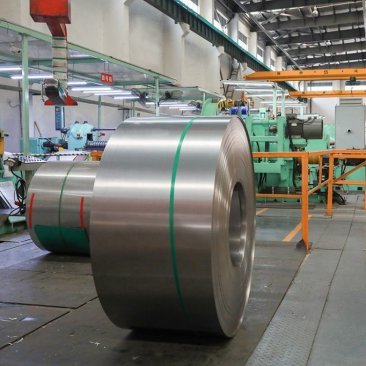
Engineered for hardware fabrication, home appliances, automotive parts, and high-quality piping, with low carbon to minimize corrosion issues near welds.
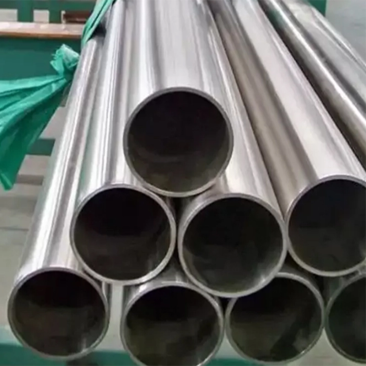
Features a maximum carbon limit of 0.03% and added molybdenum to resist chloride pitting, making it ideal for marine, chemical, and wastewater systems.
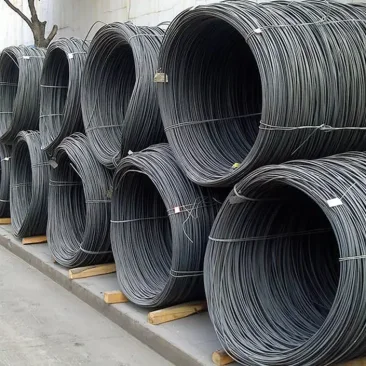
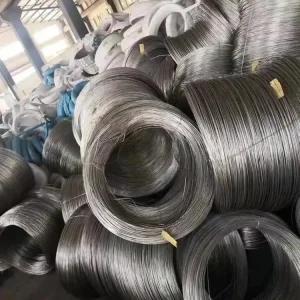
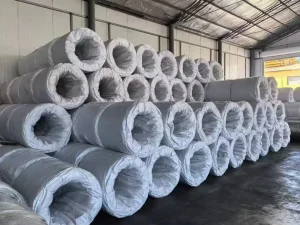
High-quality hot rolled wire coils suited for subsequent cold drawing and processing into high-tensile wire mesh, springs, and fasteners.
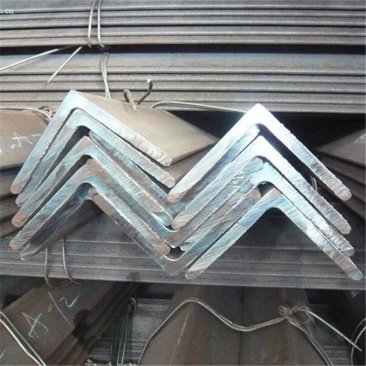
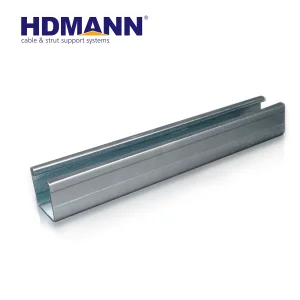
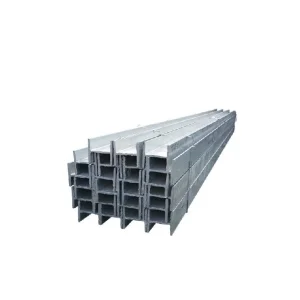
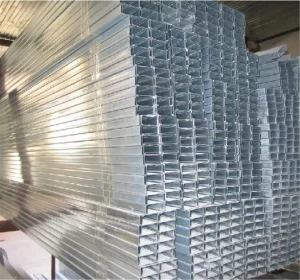
Structural steel profiles designed to reinforce building frames, electrical towers, industrial racking, and equipment chassis.
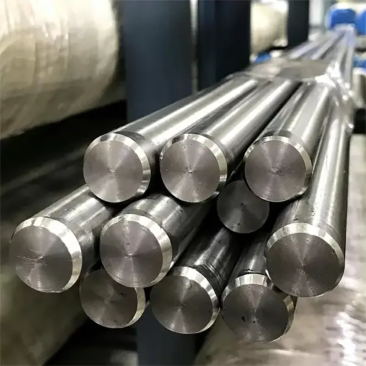
Chromium-nickel alloy bar providing high heat resistance, designed to maintain strength and structural stability at temperatures up to 1000°C.
Years of Industrial Export Experience
Active Employees & Engineers
Export Countries & Regions Served
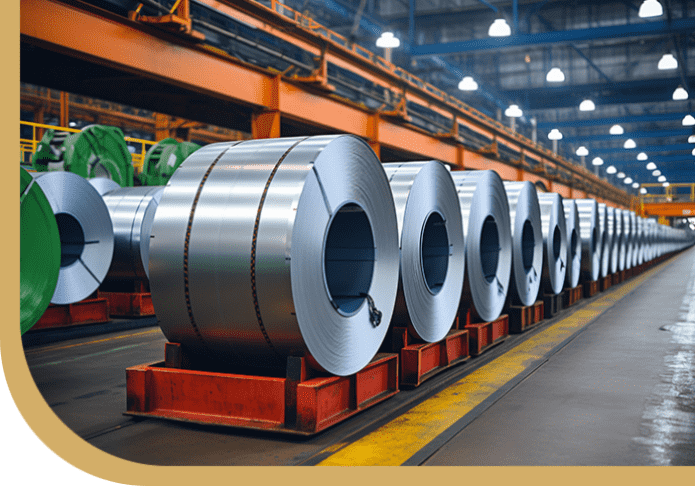
At Heibei Campfire Steel, customer care extends beyond basic quality control and on-time delivery. We focus on adding real value to our customers' supply chains. By collaborating closely with engineering teams, we refine steel chemistry and tolerances to help streamline their manufacturing processes. We are proud to offer a comprehensive product guarantee, promising to accept material returns if they do not meet the agreed specifications.
Get expert answers to common technical and procurement questions about 304 Stainless Steel.
In its fully annealed state, 304 stainless steel features an austenitic structure, which is non-magnetic. However, cold working processes (such as drawing, rolling, or bending) can cause some austenite to transform into martensite, introducing mild magnetism. To verify authenticity, chemical composition testing (via XRF analyzer) is the standard method, rather than rely on simple magnet tests.
The main difference is the carbon content. 304 has a maximum carbon limit of 0.08%, while 304L is restricted to 0.03%. The lower carbon level in 304L reduces the risk of chromium carbide precipitation during welding, protecting the heat-affected zone from intergranular corrosion.
While 304 provides excellent corrosion resistance in standard atmospheric and freshwater environments, it is susceptible to pitting in high-chloride marine environments. For coastal or marine applications, molybdenum-bearing 316 or 316L is generally recommended.
304 provides good oxidation resistance in intermittent service up to 870°C and in continuous service up to 925°C. For continuous high-temperature environments above 800°C, high-alloy grades like SUS 310S are better suited to resist oxidation and scale formation.
Every batch of steel is accompanied by a certified Material Test Certificate (MTC) matching EN 10204 3.1. We perform thorough quality checks, including dimensional verifications, ultrasonic testing, and alloy analysis. We also provide a material return guarantee if the delivered products do not meet the specified standards.
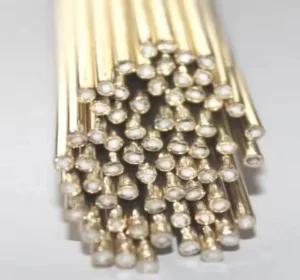
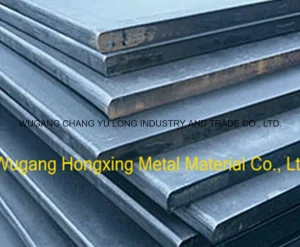
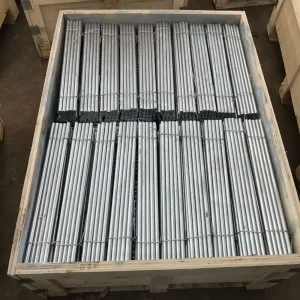
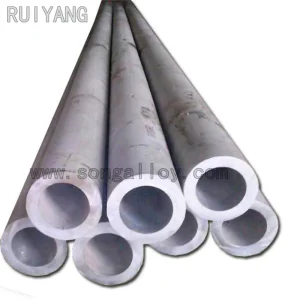
Our complete inventory includes specialized welding rods, structural bars, and industrial piping options to support all phases of metal fabrication.
 Campfire Steel