Direct mill access to our highly sought-after, standard-compliant steel configurations engineered for ultimate durability.
An authoritative guide on the material selection, metallurgical performance, and structural viability of premium solid square profiles.
In high-performance structural engineering and heavy machinery design, structural elements must endure complex shear stresses, bending moments, and corrosive challenges. The stainless steel square bar stands as a primary foundational element because of its uniform geometric profile and equal moment of inertia across both horizontal and vertical axes. This whitepaper analyzes the manufacturing landscape in China, focusing on how leading manufacturers align chemical composition, microstructural integrity, and strict dimensional tolerances to meet global engineering demands.
Understanding the difference between hot-rolled and cold-drawn processes is vital for procurement professionals. Cold drawing enhances yield strength and refines the steel's surface finish, producing sharp corners and tight dimensional tolerances (such as h9, h10, or h11). Meanwhile, hot rolling provides a cost-effective, tough, and stress-relieved product suitable for structural applications where tight dimensions are not the primary focus.
Choosing the right stainless steel grade requires looking closely at the environmental challenges and mechanical loads of your project. China's leading mills utilize advanced refining techniques like AOD (Argon Oxygen Decarburization) to strictly control elements like carbon, chromium, nickel, and molybdenum:
| Grade | Carbon (Max %) | Chromium (%) | Nickel (%) | Molybdenum (%) | Primary Application |
|---|---|---|---|---|---|
| 304 (UNS S30400) | 0.08 | 18.0 - 20.0 | 8.0 - 10.5 | - | Food processing, architectural frame, general manufacturing |
| 304L (UNS S30403) | 0.03 | 18.0 - 20.0 | 8.0 - 12.0 | - | Welded heavy structural grids, chemical transit pipes |
| 316 (UNS. S31600) | 0.08 | 16.0 - 18.0 | 10.0 - 14.0 | 2.00 - 3.00 | Marine rigs, pharmaceutical machinery, saltwater trim |
| 316L (UNS S31603) | 0.03 | 16.0 - 18.0 | 10.0 - 14.0 | 2.00 - 3.00 | Marine structures, chemical processing systems |
| 309S (UNS S30908) | 0.08 | 22.0 - 24.0 | 12.0 - 15.0 | - | Furnace components, high-temperature heat exchangers |
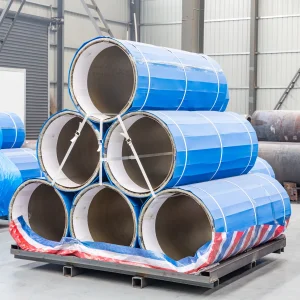
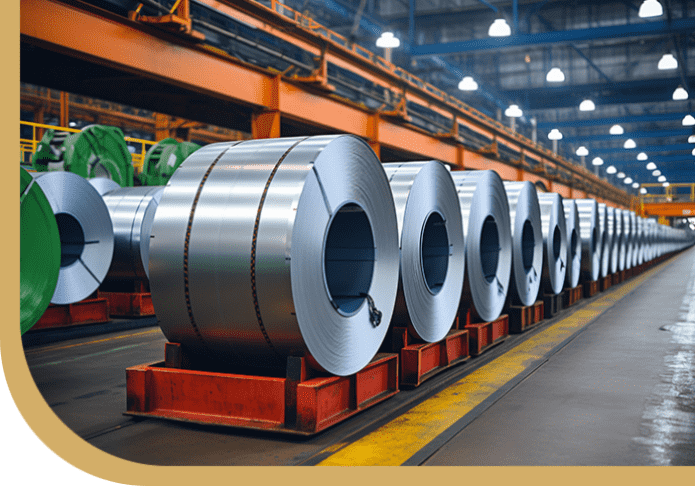
Our major products including Carbon Steel Plate, Carbon Steel Coil, Carbon Steel Pipe, Carbon Steel Bar, Stainless steel plate, Stainless steel coil, Stainless steel pipe, color coated coil, color tile, galvanized sheet, galvanized coil, and galvanized roofing.
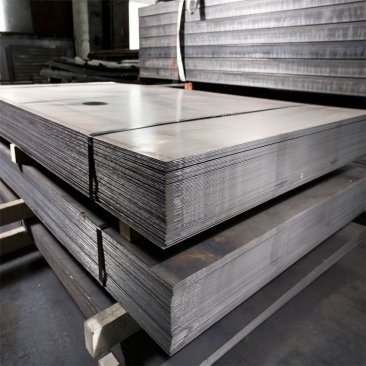
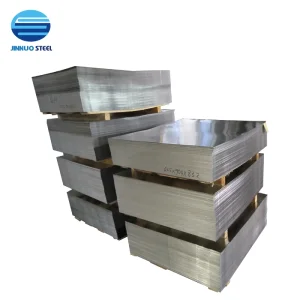
A36 is a carbon structural steel plate whose chemical composition and mechanical properties comply with American ASTM standards. This kind of steel plate has good mechanical properties, welding performance and corrosion resistance, and is widely used in construction, machinery manufacturing, and transport containers.
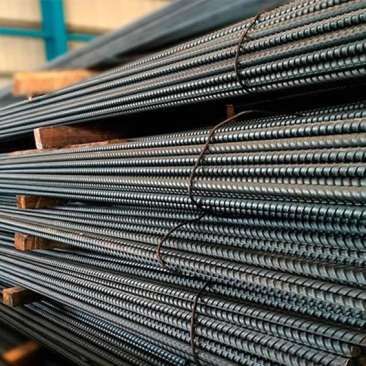
Rebar refers to steel used for reinforced concrete and prestressed reinforced concrete. Its cross section is round, sometimes square with rounded corners. Including plain round reinforcement, ribbed reinforcement and twisted reinforcement designed to provide outstanding tensile strength in concrete structural matrices.
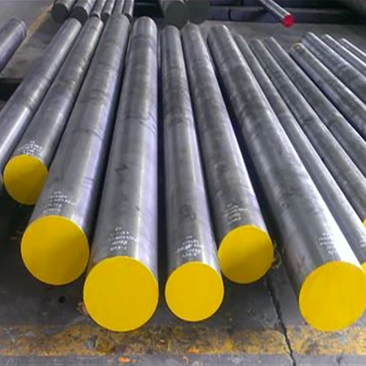
AISI 4140 steel bar is made of a low alloy steel containing chromium, molybdenum and manganese. It has a high carbon content and a good balance of strength, toughness, wear resistance, impact resistance and heat treatment capabilities, making it ideal for gearboxes and driveshafts.
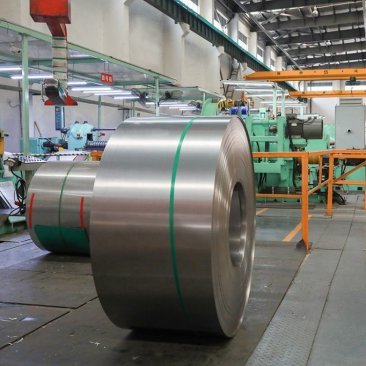
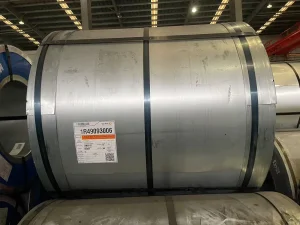
304L stainless steel coil is mainly used in automobile accessories, hardware tools, tableware, cabinets, medical appliances, office equipment, weaving, handicrafts, petroleum, electronics, chemicals, textile, food, machinery, construction, nuclear power, aerospace, and military defense industries.
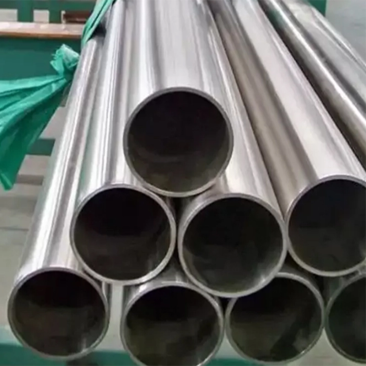
316L stainless steel has a lower proportion of carbon in its composition, the amount of carbon cannot go over 0.03%. This lowers the chance of carbon precipitation during welding processes, making it an ideal option for heavy industrial welding to ensure maximum resistance in chemical and marine systems.
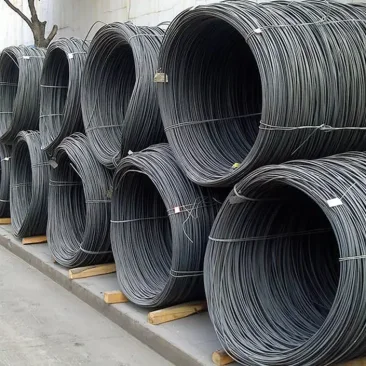
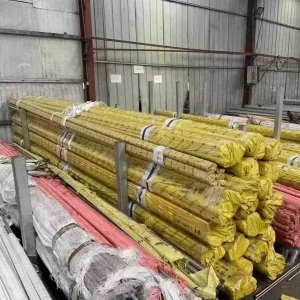
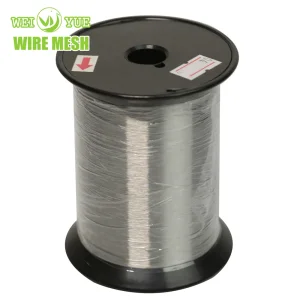
Wire rod is a rolled steel product (alloy or non-alloy), manufactured from a semi-finished steel with a rectangular, rounded, hexagonal or squared shape. Especially, fine cross-sections are reached by sequent cold drawing. Wire rod is wrapped around into the coils and also carried in this form.
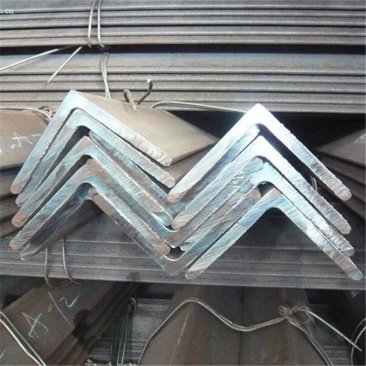
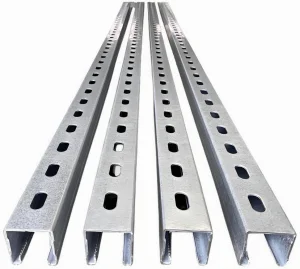
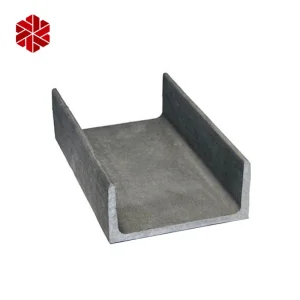
The angle steel is mainly used to make frame structures, such as high-voltage transmission towers, frames on both sides of the main beam of steel structure bridges, columns and booms of tower cranes on construction sites, columns and beams of workshops, and modular utility framing complexes.
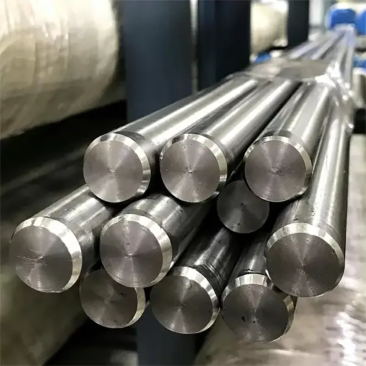
309 stainless steel is a premium material featured by excellent corrosion resistance and high temperature performance. 309 stainless steel bars are commonly deployed in heat-treatment facilities, gas turbines, and waste treatment systems where mechanical integrity at elevated heat zones is required.
China's steel production capability has evolved from basic smelting into a highly integrated, technology-driven supply chain. Our manufacturing facilities utilize advanced vertical integration to manage everything from raw iron ore processing and alloy addition control to precision rolling, surface finishing, and quality testing.
This vertical integration reduces lead times and protects customers from market fluctuations. Our close proximity to major ports like Qingdao and Tianjin enables efficient deep-sea container loading and bulk vessel shipping. This ensures that custom orders for stainless steel square bars reach international construction sites, marine facilities, and manufacturing plants on schedule.
"For the steel industry, customer care is not just quality control, on-time delivery and offering good price, but also adding value through the services we provide. We work with customers to continuously improve steel quality to help customers obtain more efficient and effective manufacturing processes. HEIBEI CAMPFIRE Steel Co., Ltd. is also the only company that promises to take back products if they are not up to standard."
As industries demand lighter, stronger, and more sustainable materials, our metallurgical research centers are focused on three main developmental fronts:
Working across international borders requires strict adherence to regional standards. Our products are manufactured to meet ASTM, EN, JIS, and GB specifications. Every batch is supplied with comprehensive EN 10204 3.1 Mill Test Certificates (MTC) detailing mechanical properties and chemical analysis.
We maintain dedicated customer support teams to assist with import regulations, tariff classifications, and localized testing requirements in regions including North America, the European Union, the Middle East, and Southeast Asia.
Common questions from engineering departments and procurement specialists regarding stainless steel square bar configurations.
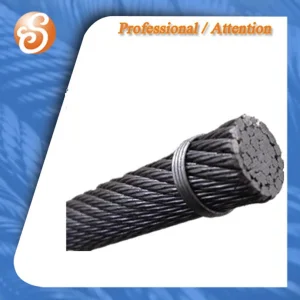
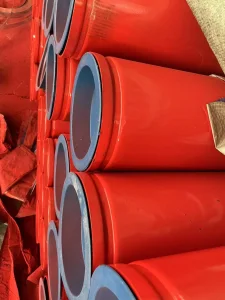
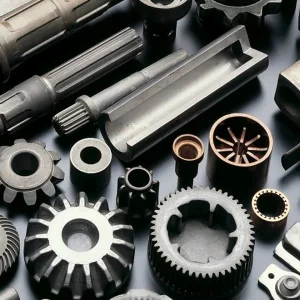
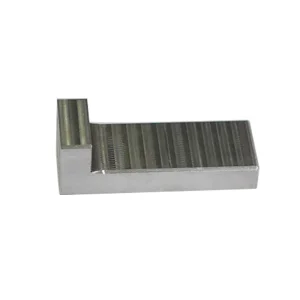
Explore our wider range of steel materials, including structural shapes, wire rods, forged parts, and galvanized wire options.
 Campfire Steel