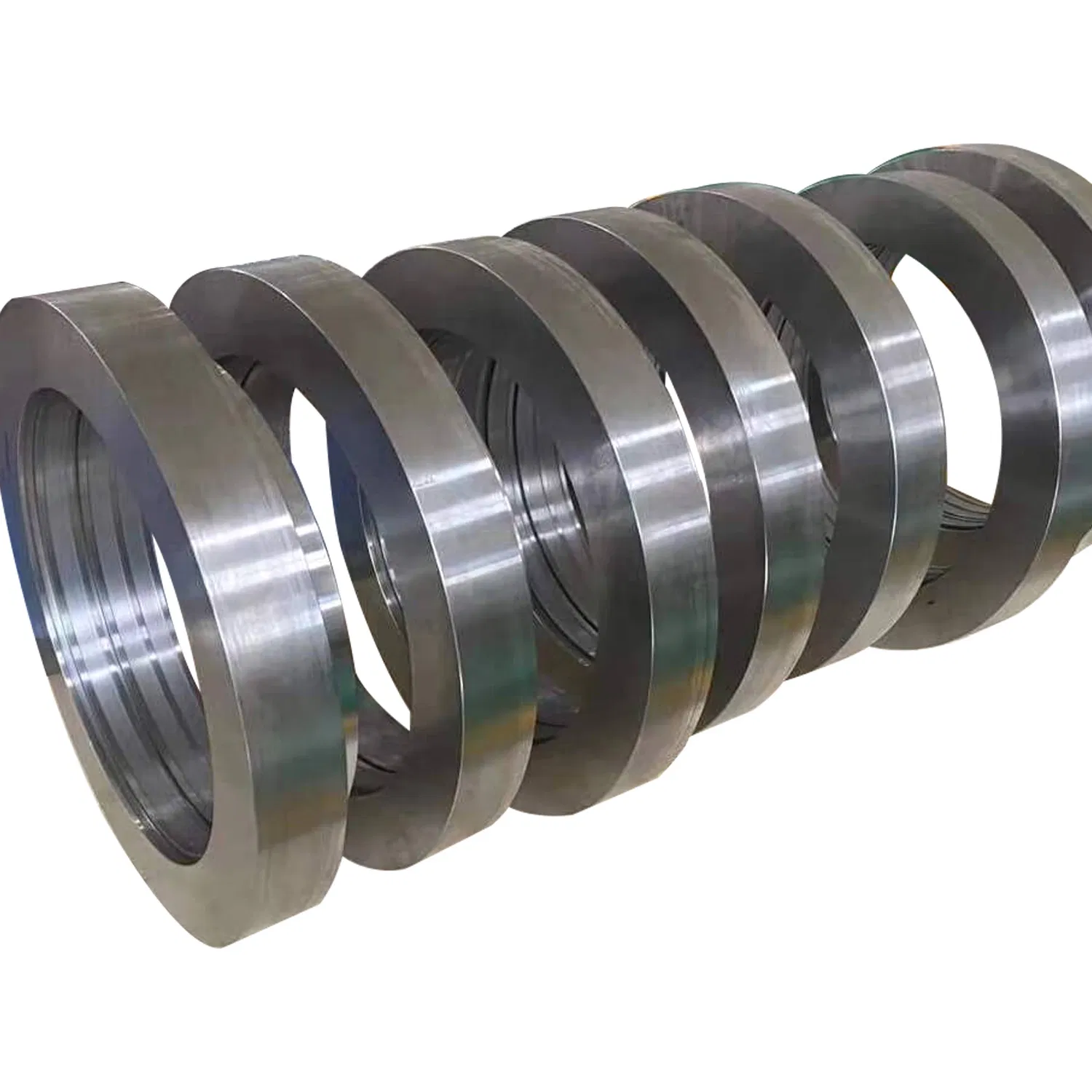
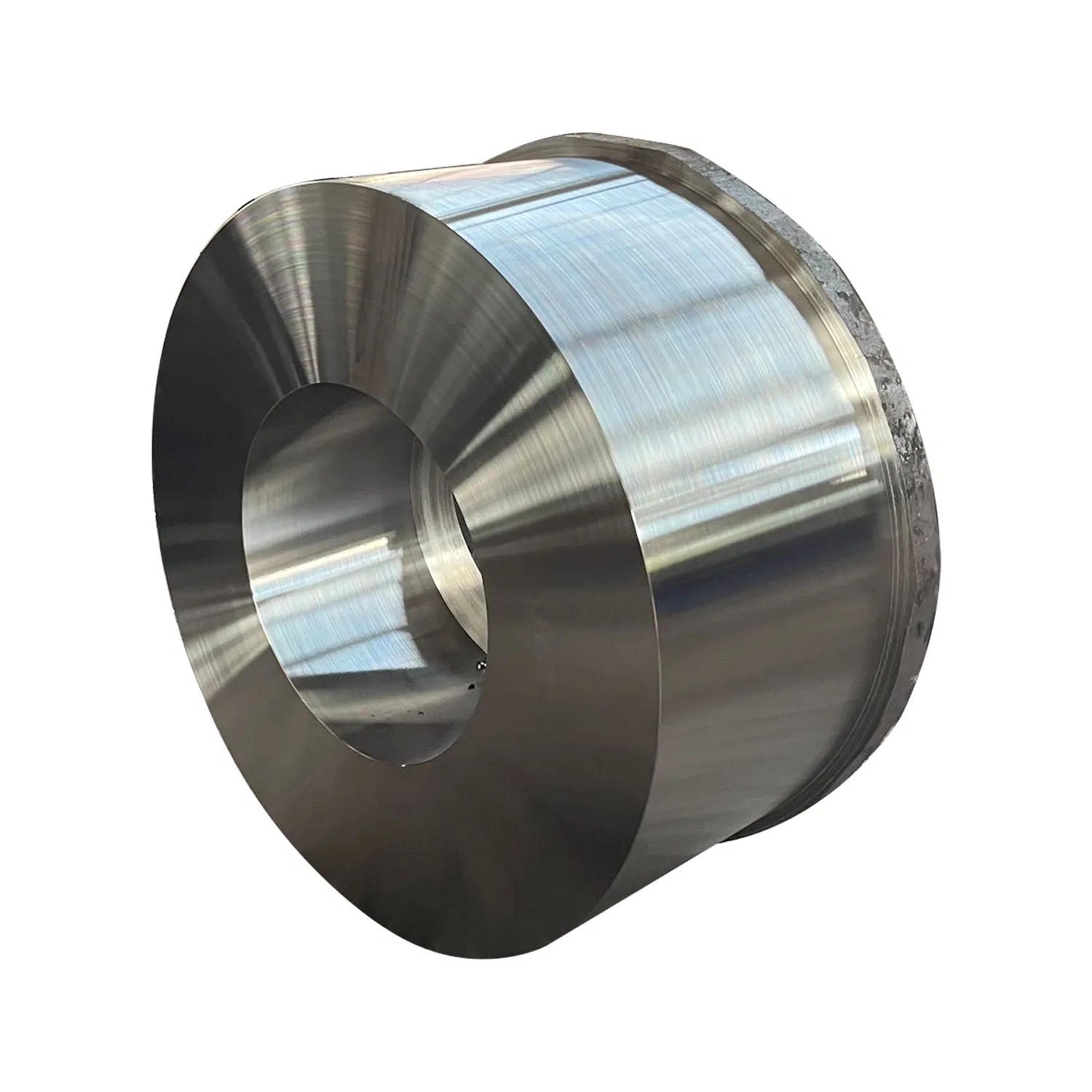
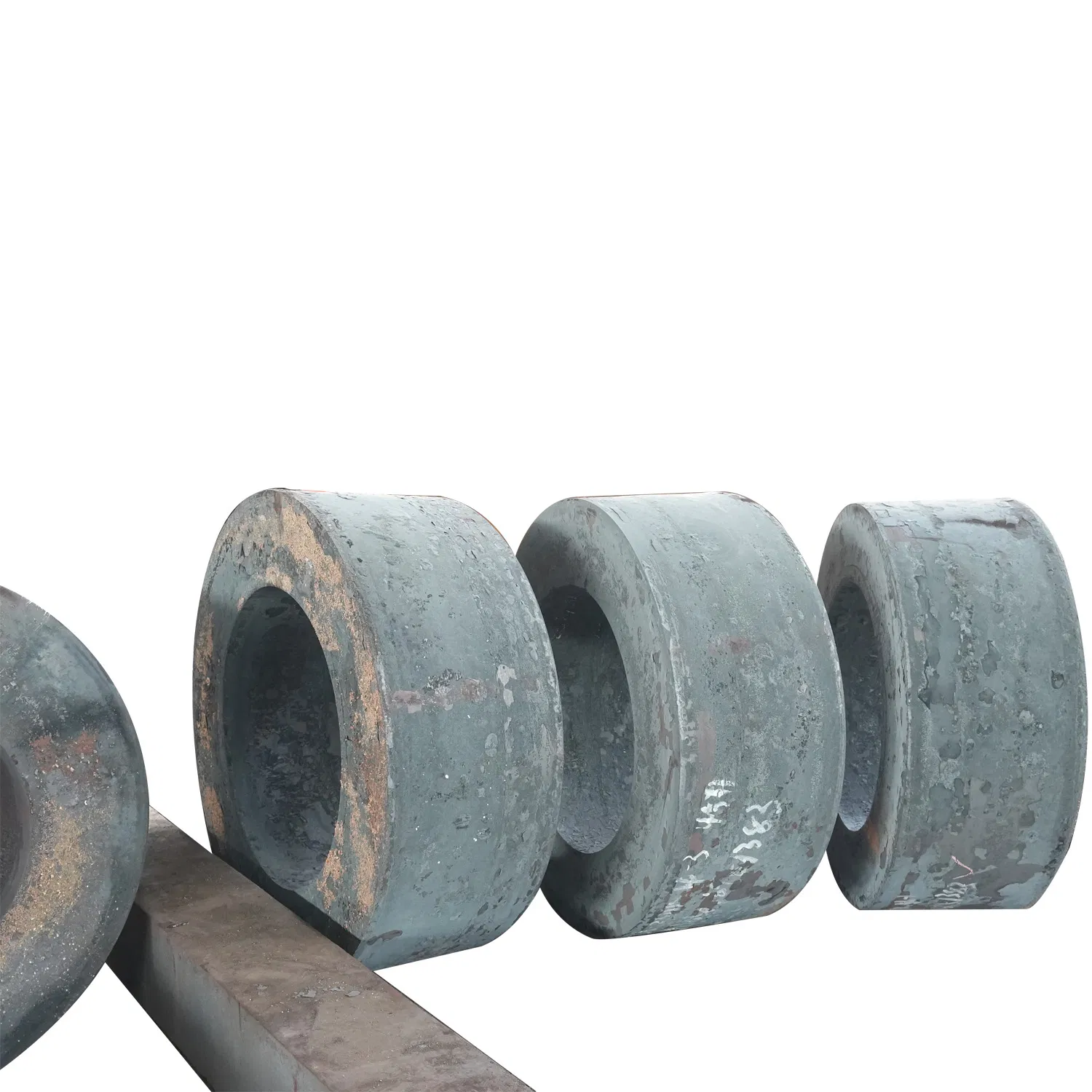
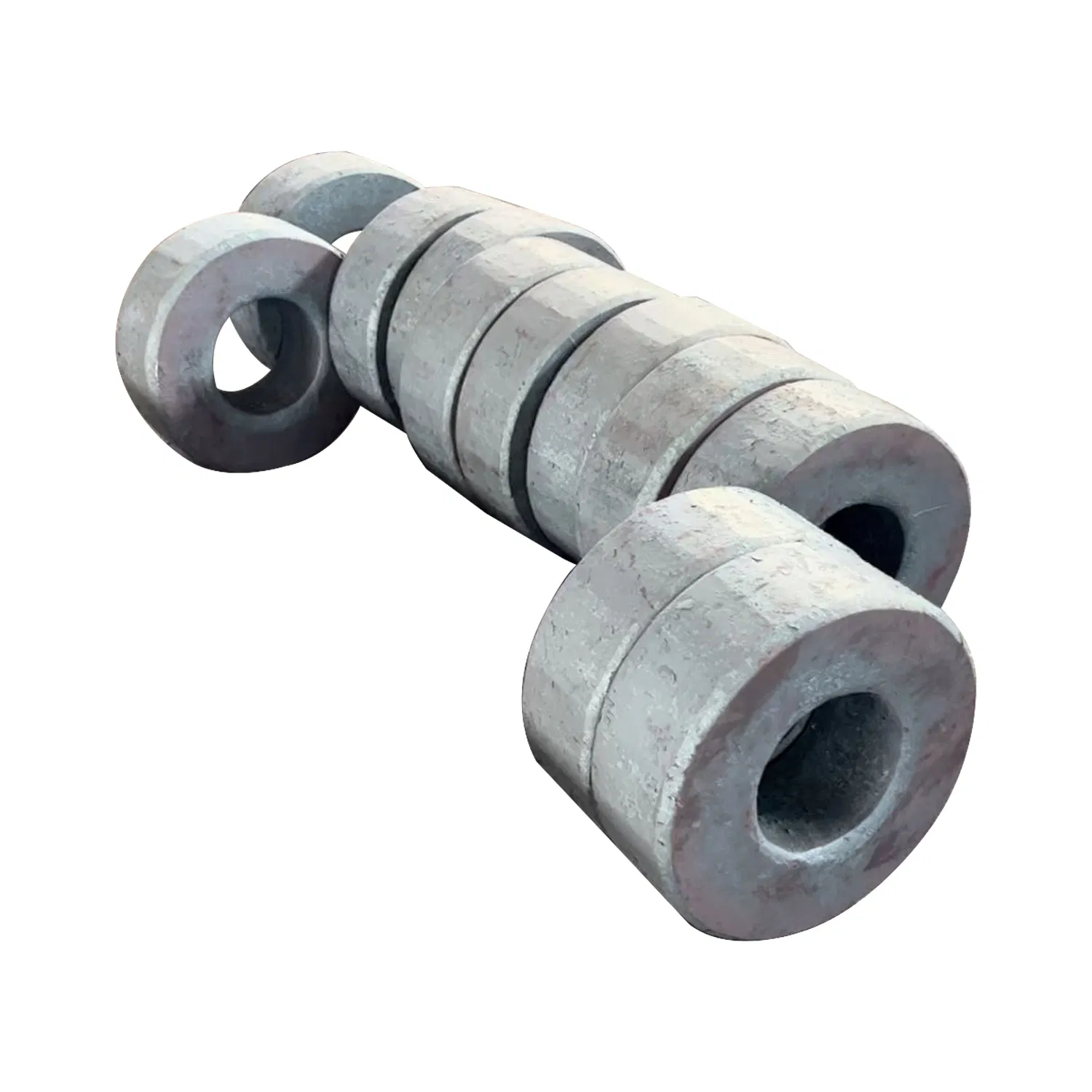
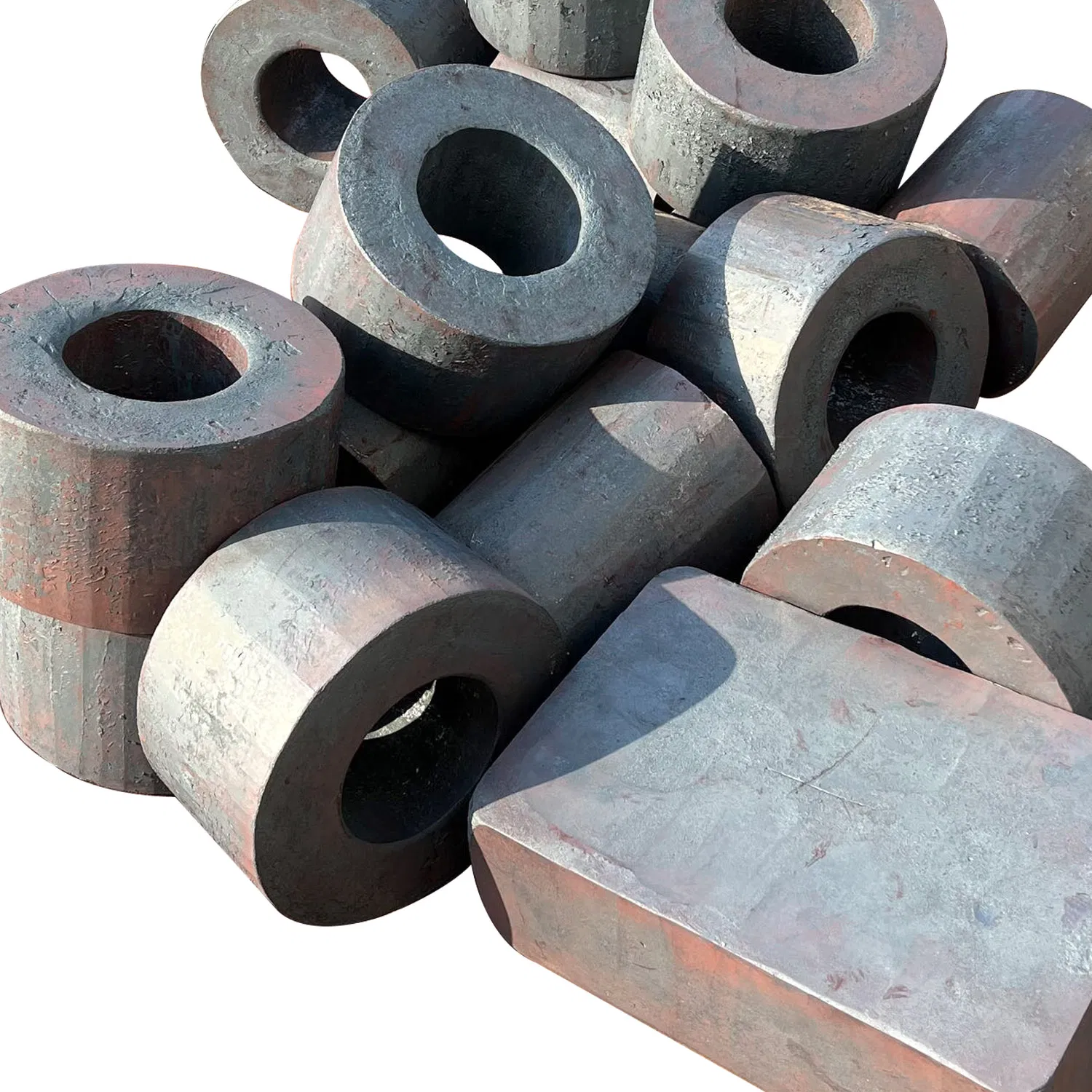
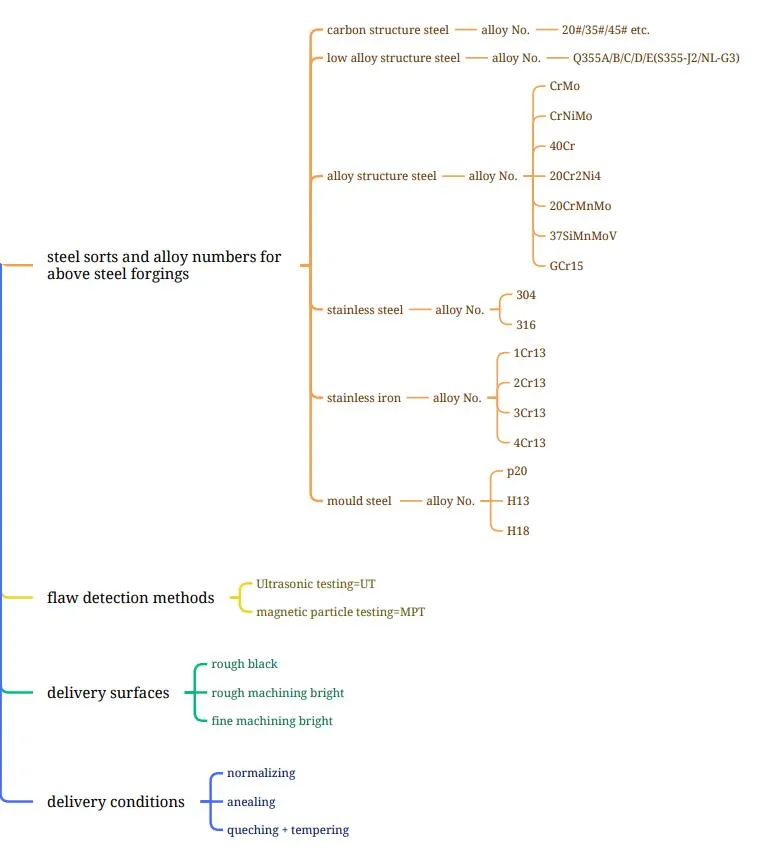
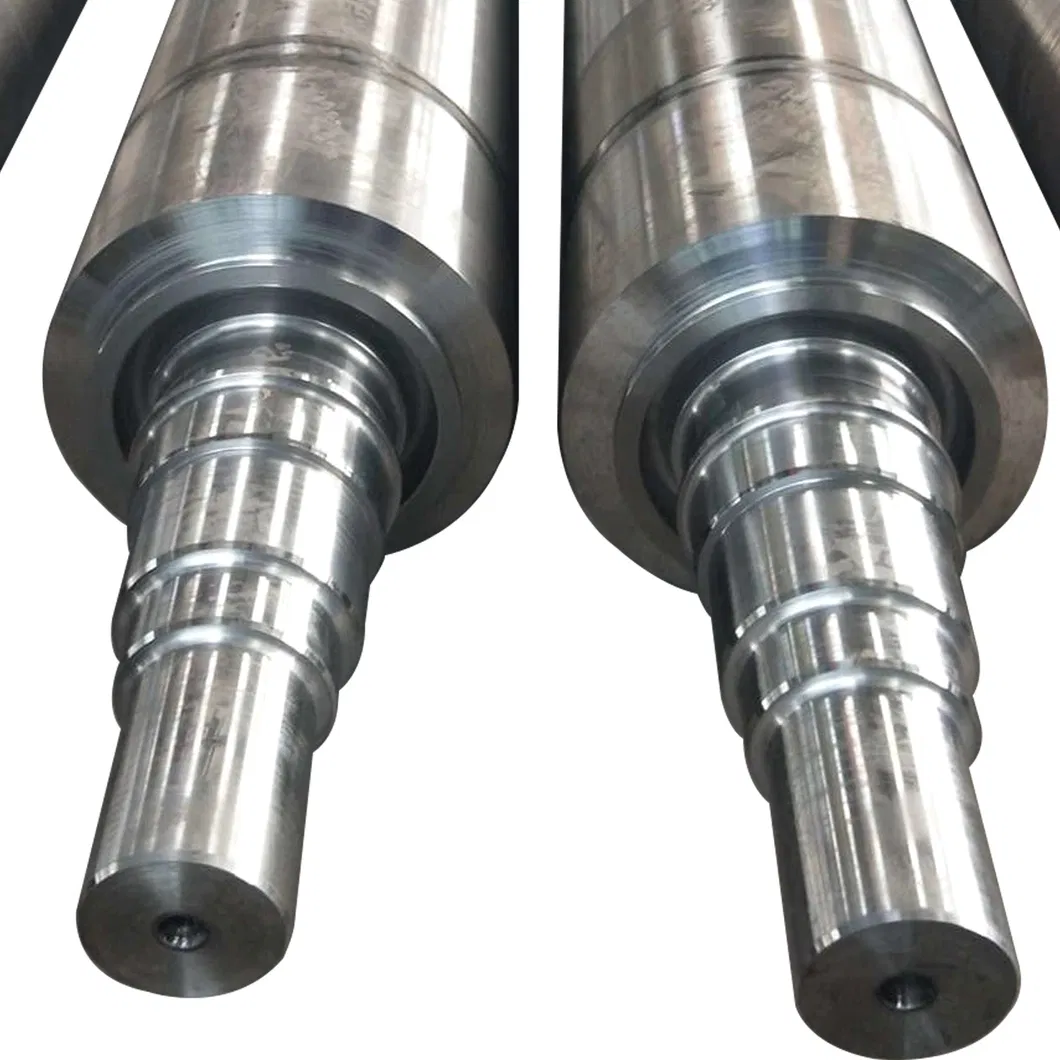
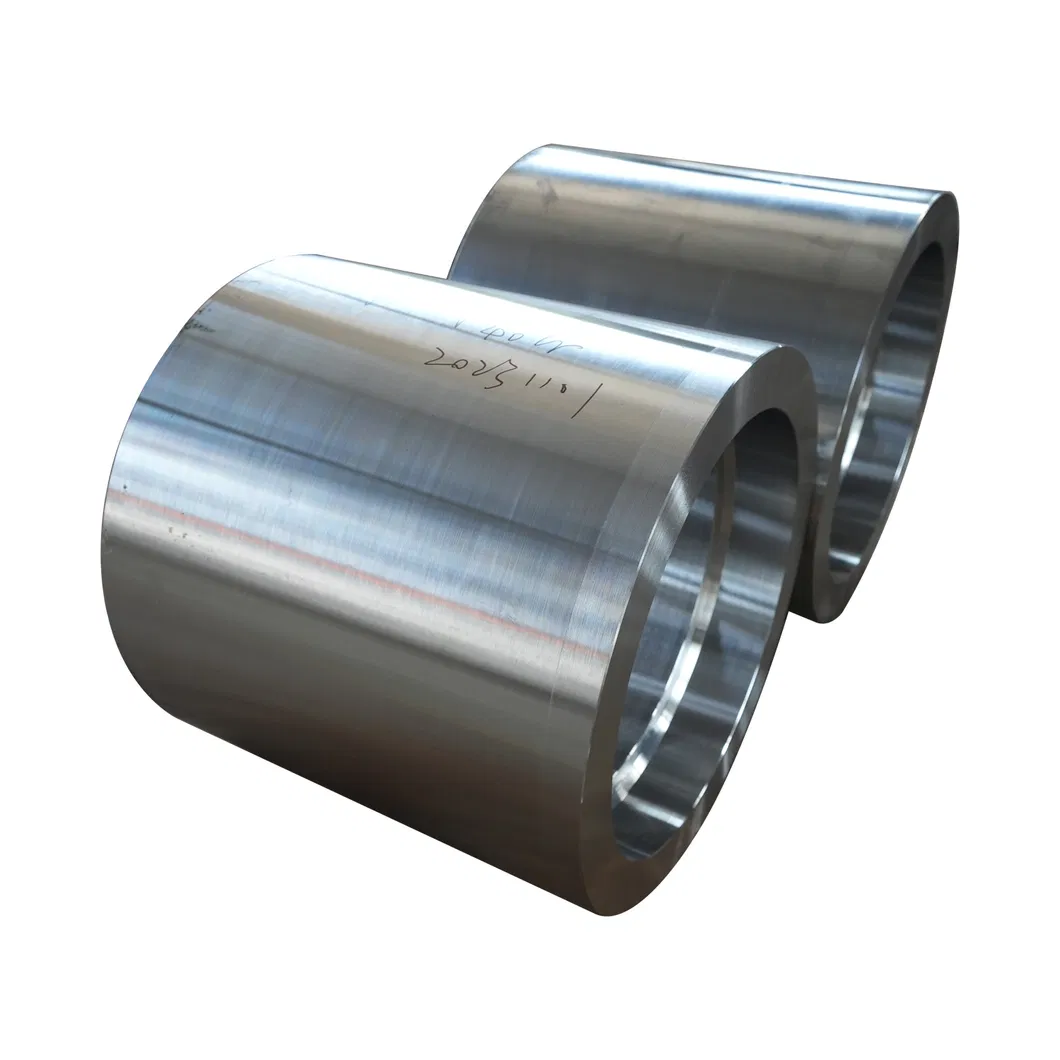
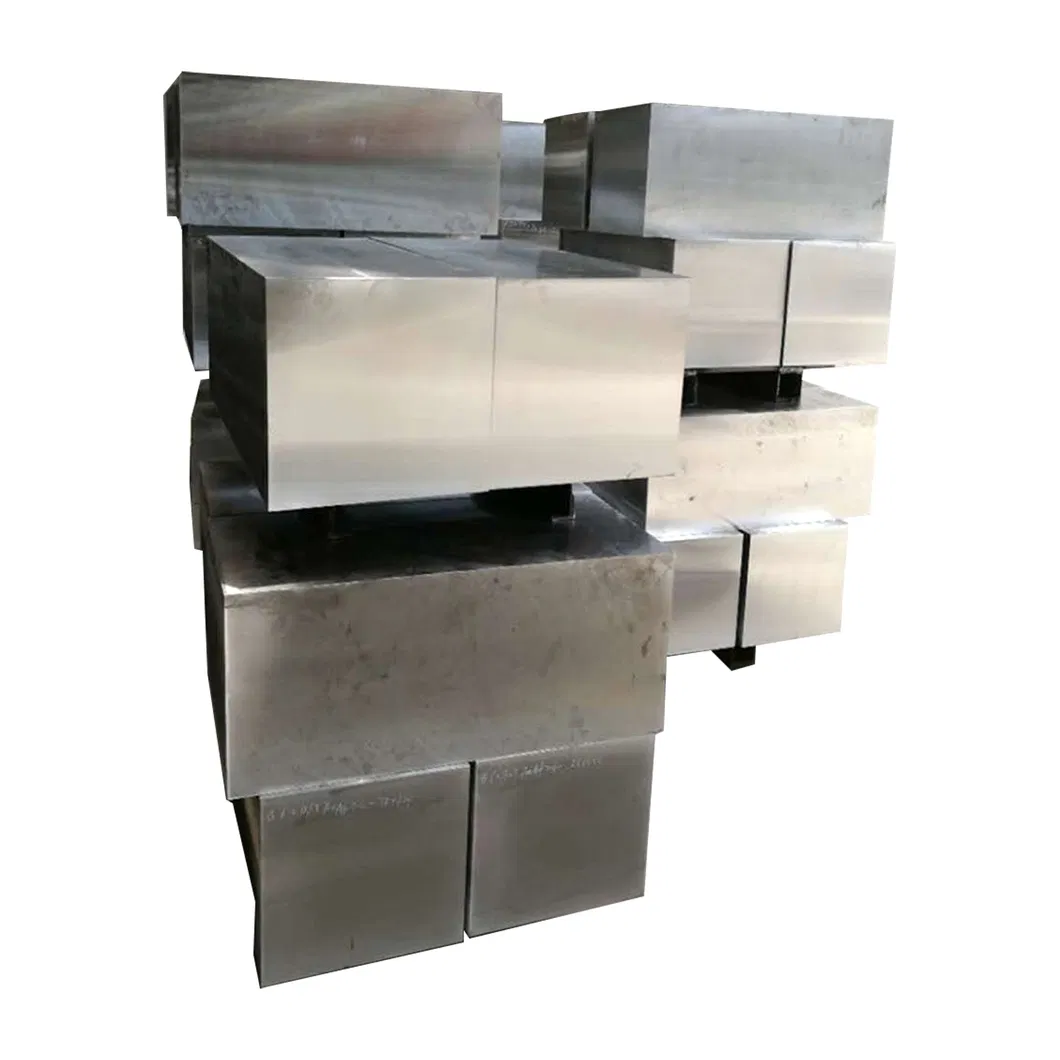
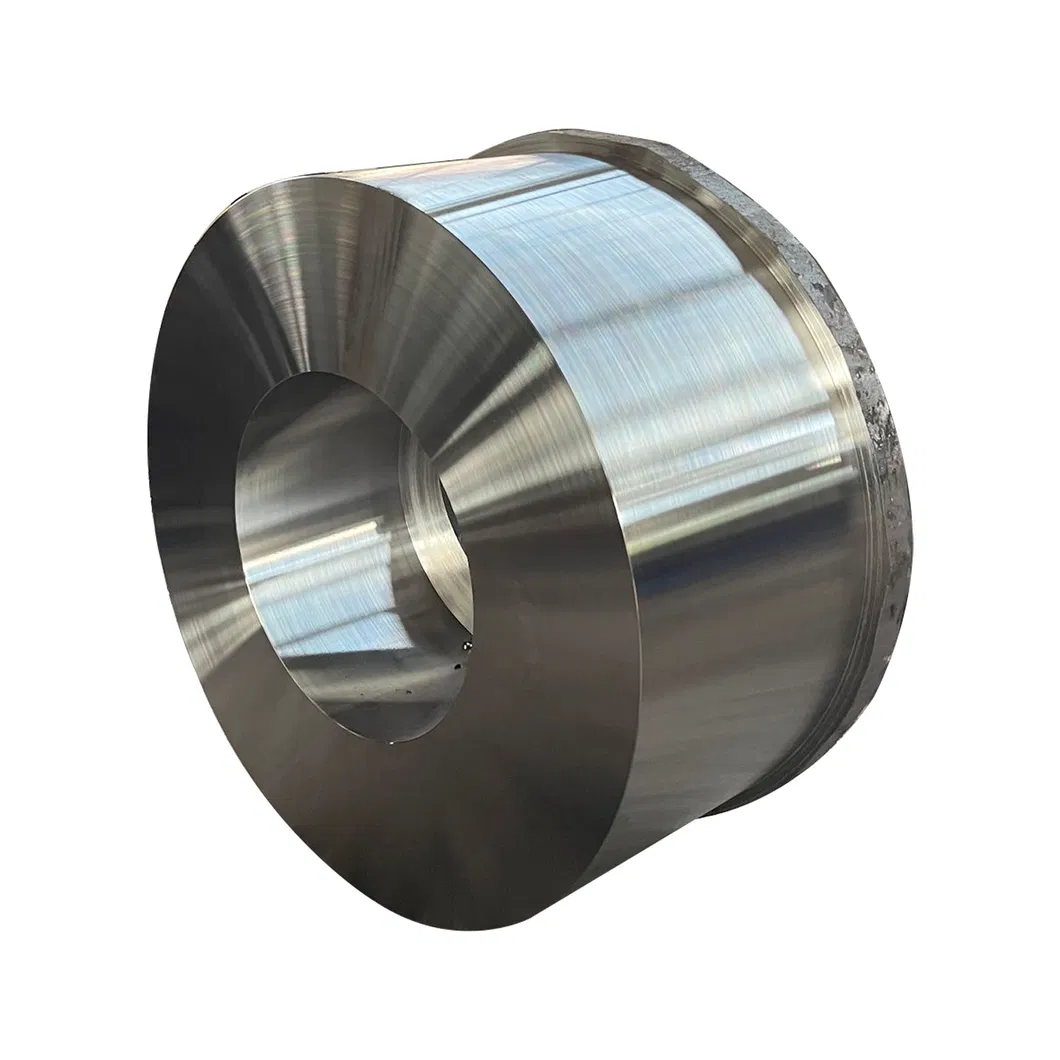
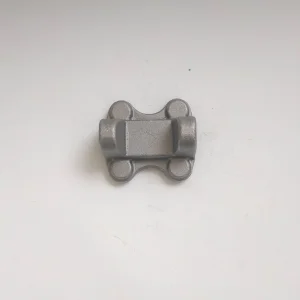
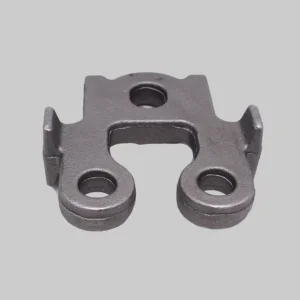
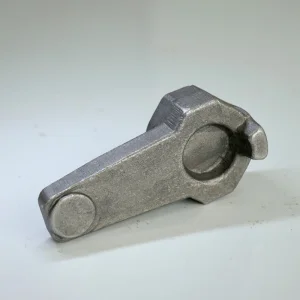
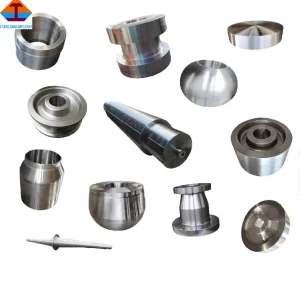
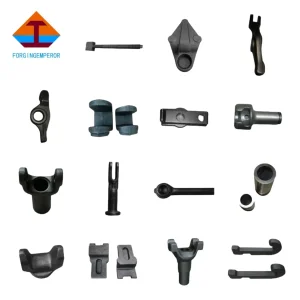
No. 45 steel is a carbon structural steel with 0.45% carbon content. It is characterized by low price, good cutting performance, high hardness after quenching, good strength, toughness and wear resistance after quenching and tempering treatment. It is widely used in manufacturing structural parts and low-grade plastic molds.
Standard No.
Alloy No.
C (%)
Cr (%)
Mn (%)
Ni (%)
P (%)
S (%)
Si (%)
GB/T699-1999
45#
0.42~0.50
≤0.25
0.50~0.80
≤0.25
≤0.035
≤0.035
0.17~0.37
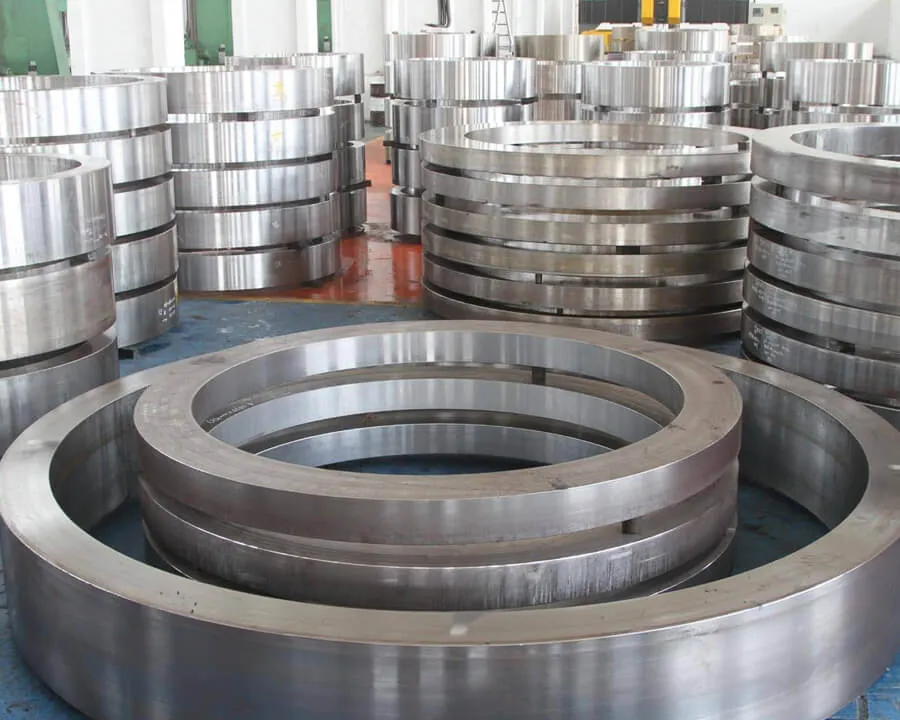
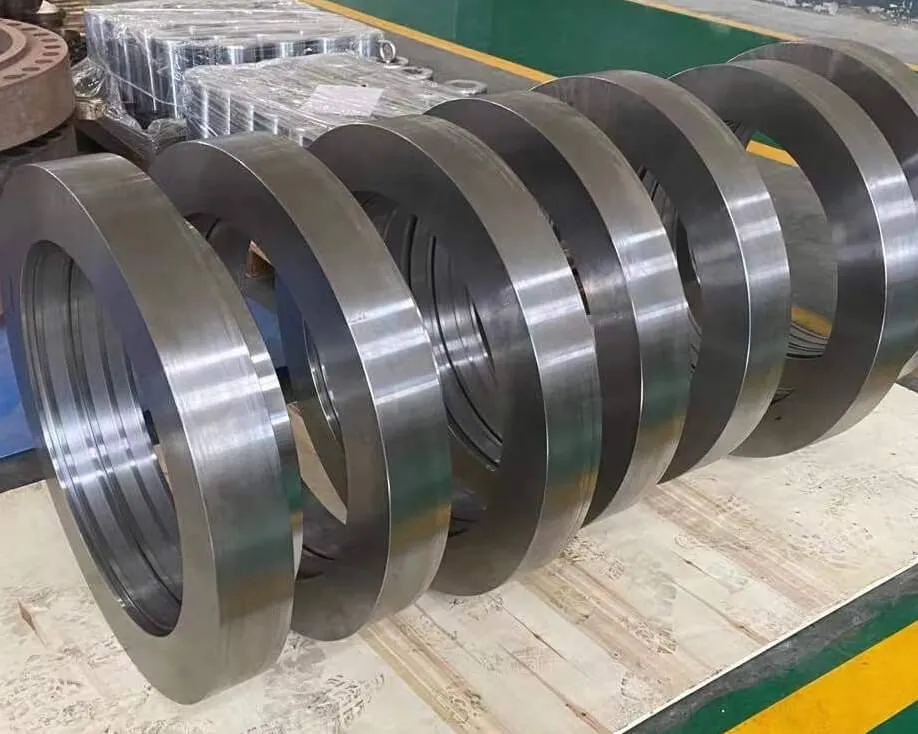
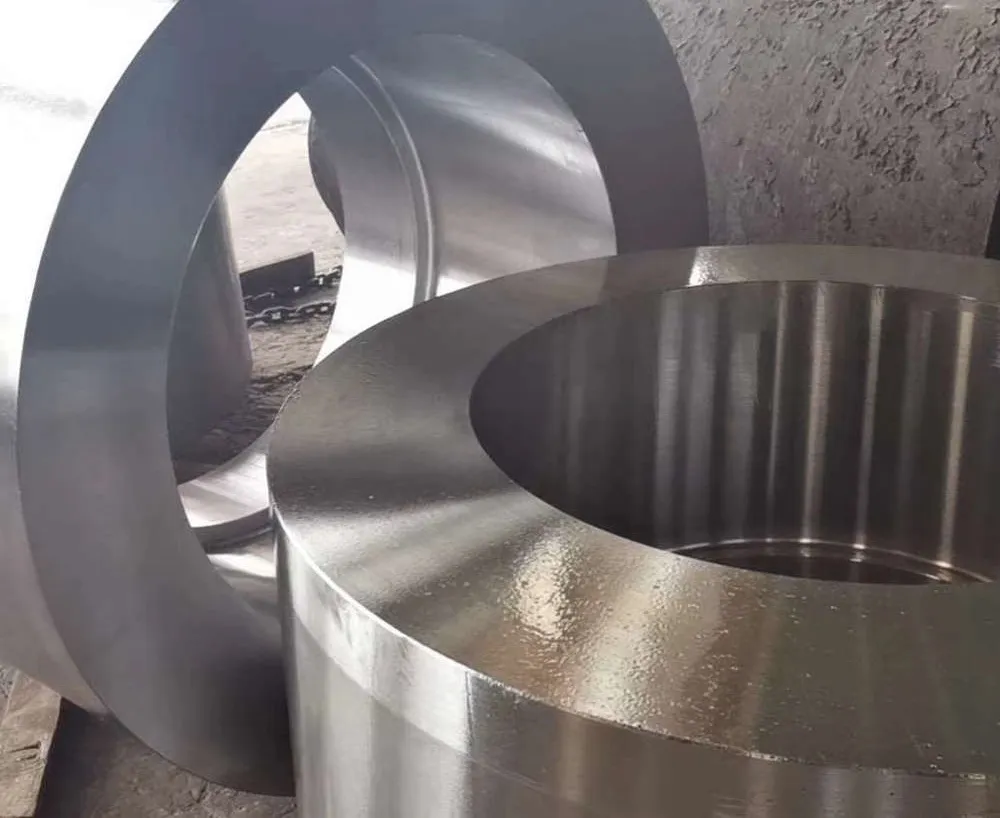
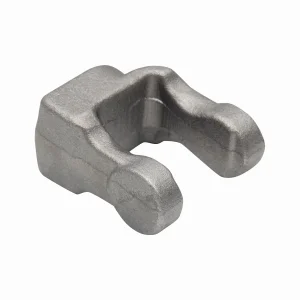
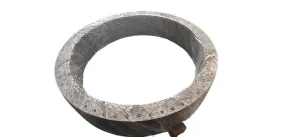
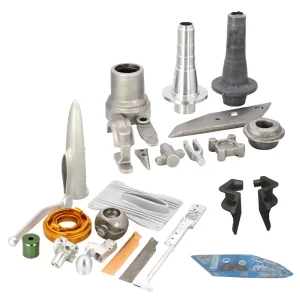
Main Products Gallery
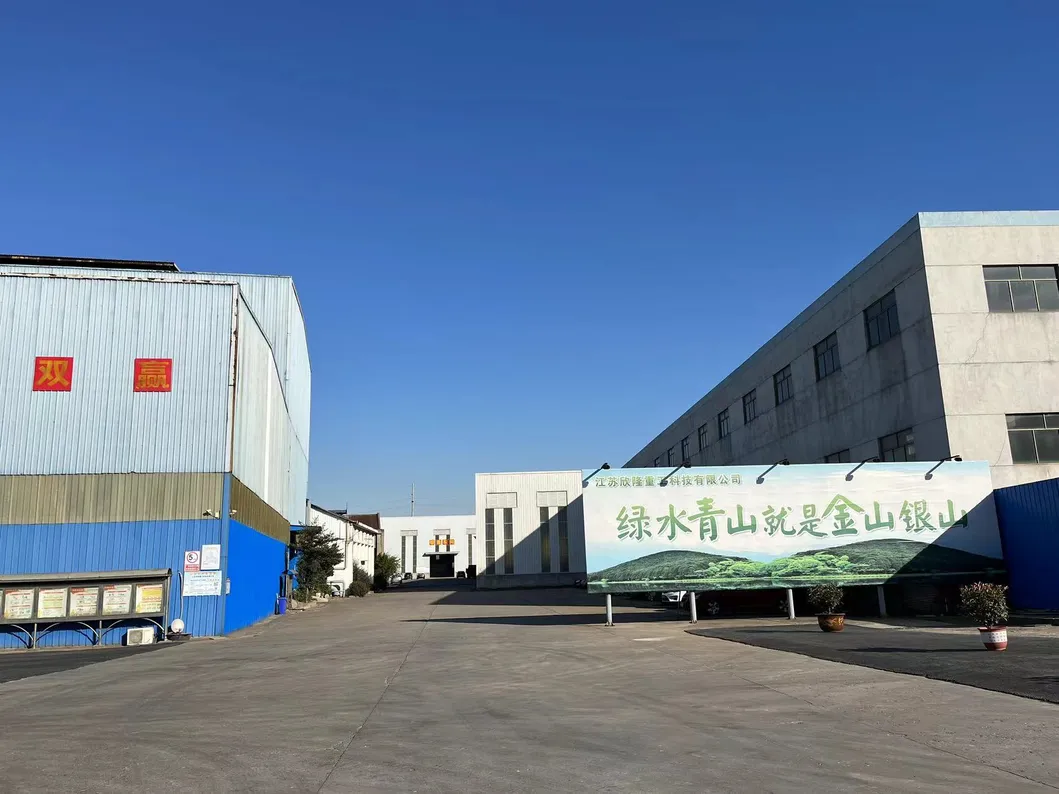
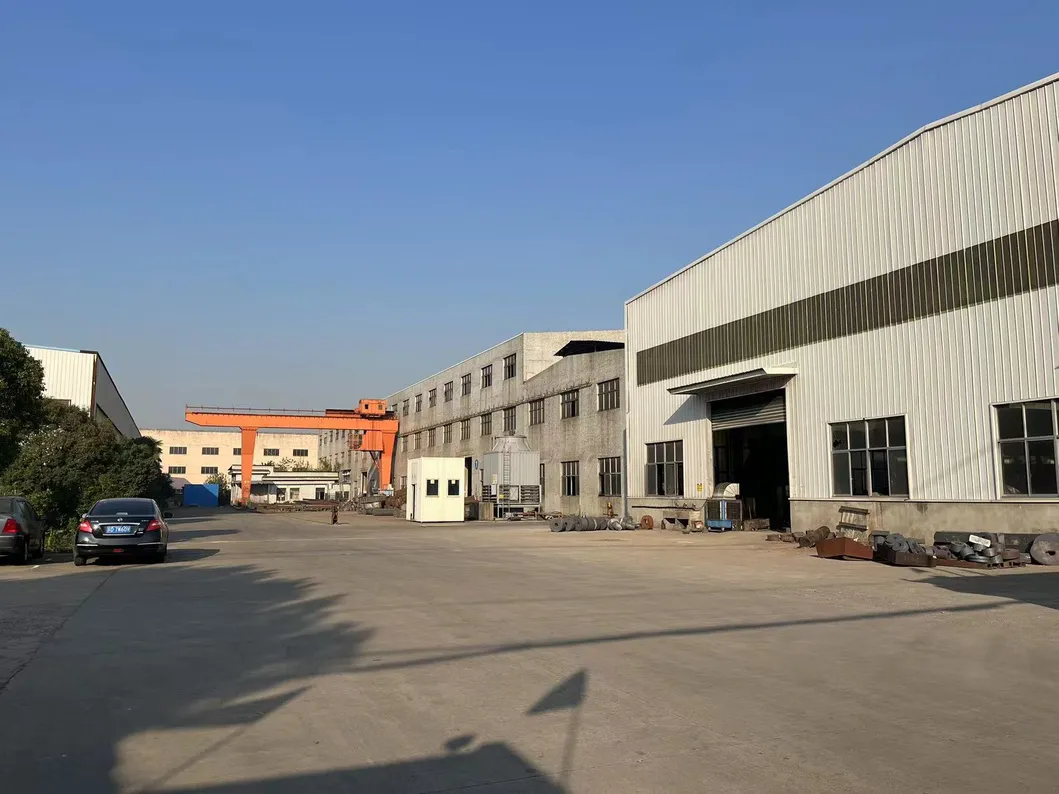
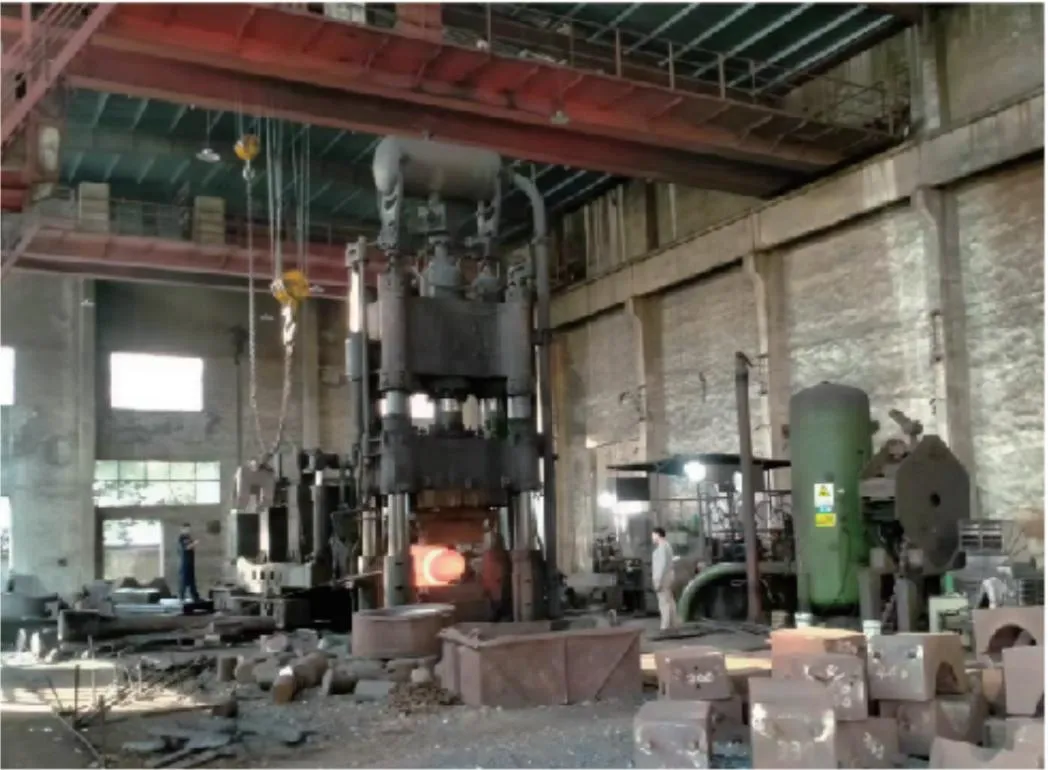
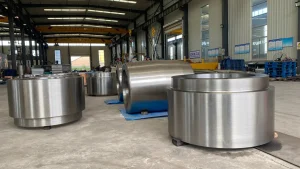
Production Facilities & Capability
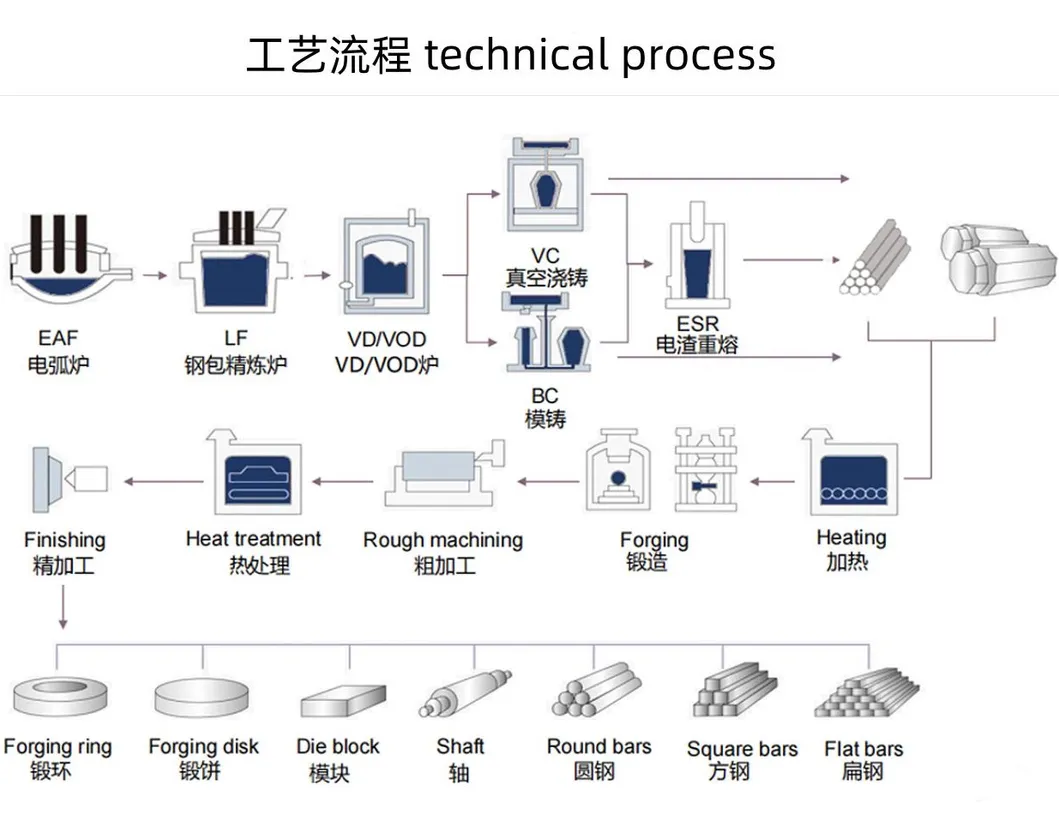
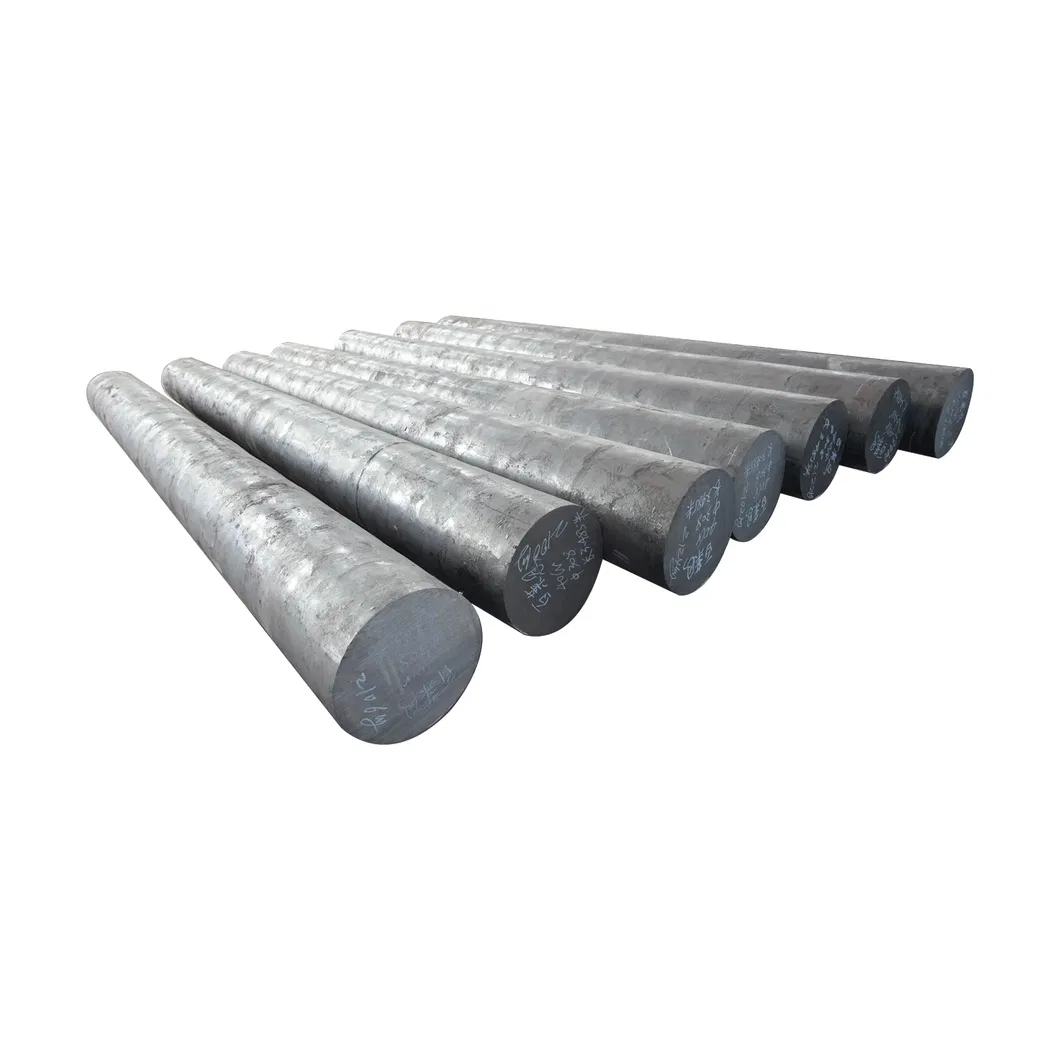
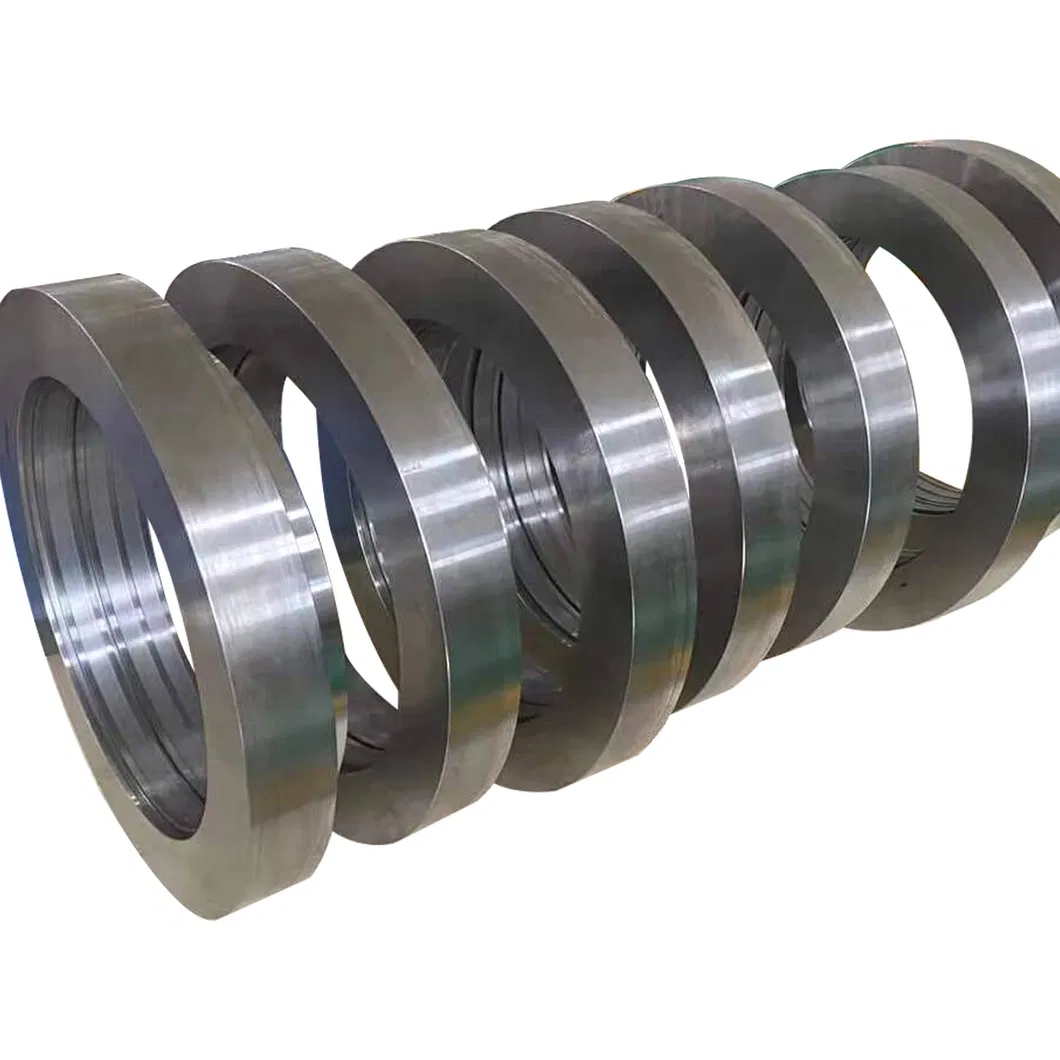
Our enterprise specializes in forged round steel, square steel, shaft forgings, ring forgings, and cylinder forgings. Equipment includes 2000 tons of hydraulic press, ring rolling machine, and multiple forging hammers (3 tons to 750KG). We can produce forgings weighing from 20Kg up to 20,000Kg.
Frequently Asked Questions
1. What is the difference between forging and casting?
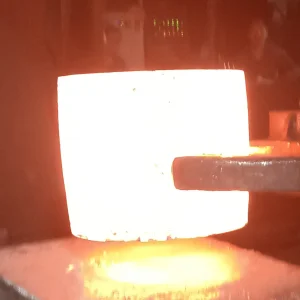
Forging is the process of transforming a solid metal from one shape to another through plastic forming in the solid state. Casting involves pouring molten liquid metal into a model to solidify. Forging typically results in better mechanical properties and toughness.
2. How do you ensure the quality of high-quality forgings?
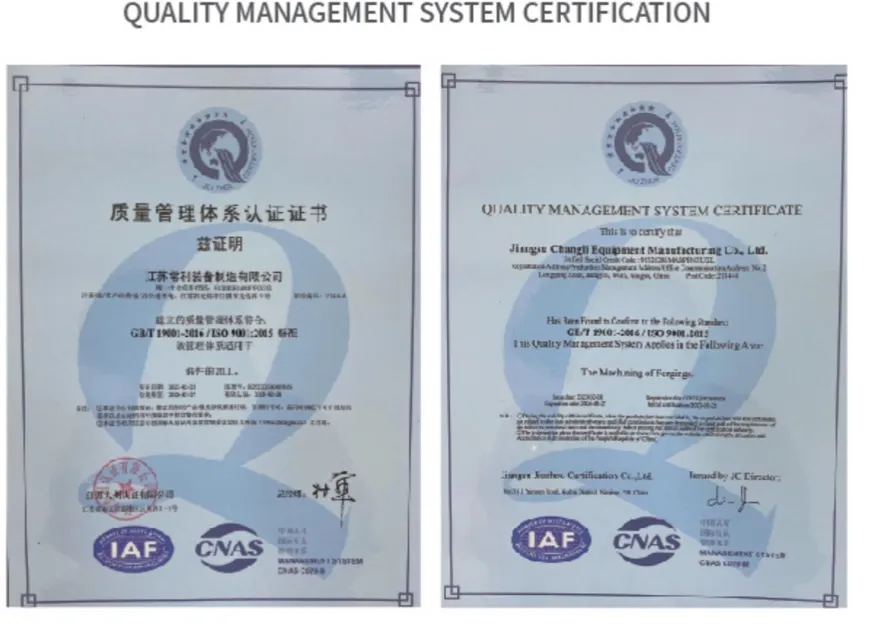
Quality is ensured through external observation (geometric dimensions and surface condition) and internal testing (chemical composition analysis, macroscopic/microscopic structures, and mechanical properties like tensile strength and hardness).
3. What are the key processes in circular forging?
The main processes include pier roughening, elongation, punching, and expanding. In ring production, we utilize horse screw expansion for free forging and specialized rolling for ring expansion.
4. What are the benefits of using No. 45 steel for forgings?
No. 45 steel offers a good balance of strength, plasticity, and toughness. It provides excellent cutting performance and high hardness after quenching, making it ideal for structural parts and alternating load environments.
5. What weight range of forgings can your facility produce?
Equipped with a 2000-ton hydraulic press and various forging hammers, we can manufacture products ranging from small 20Kg components up to heavy-duty 20,000Kg industrial forgings.
6. What heat treatment specifications are recommended for optimal hardness?
For 45# steel, we recommend a quenching temperature of 820-860°C followed by water or oil cooling. Tempering is typically performed at 500-560°C to achieve a hardness of 25-33 HRC.
 Campfire Steel